By Abdulkareem Haruna
MAIDUGURI, Nigeria – In the high-stakes world of Nigerian politics, power is usually guarded with such intensity that only a very few leaders are willing to let go of the reins for even a moment. The relationship between a governor and their deputy is often strained by a lack of genuine trust, making any real delegation of authority a rare exception to the rule.
Yet, in the last 30 days in Borno State, a different kind of history has again been written by a governor and his deputy – a history defined by a smooth transition and a quiet, disciplined commitment to the “Zulum Agenda.”

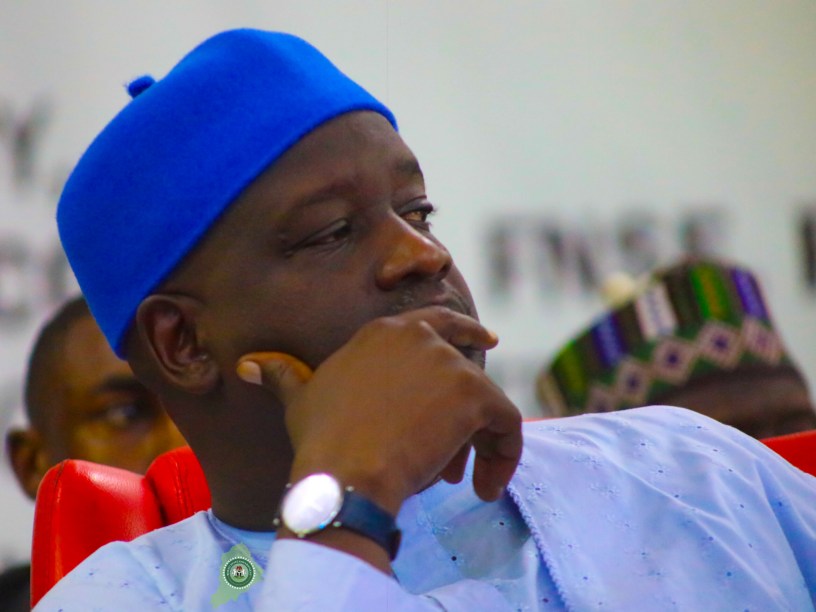
As Dr. Umar Usman Kadafur, the deputy Governor of Borno, concluded his one-month mark as Acting Governor, the prevailing sentiment across the state capital is not one of absence, but of an intensified presence.
“We work round the clock as if the Governor is around,” says a top government house official commenting on the acting governor’s busy schedules.
So far so good, Dr. Kadafur’s stint at the helm of affairs as Acting Governor has served as a masterclass in deputy-governorship in Nigeria.

Seven years ago, when Professor Babagana Umara Zulum selected this quiet, industrious and consumate young politicians as his running mate, many political observers didn’t view it as a strategic balance. Many went about whispering that he is too youthful for the office. But today, that choice by Governor Zulum appears prophetic.
As Zulum took a brief but well deserved annual break, mid last month, the state’s machinery hasn’t just remained in top gear; it has accelerated.

In all honesty, Dr. Kadafur’s thirty days have been a hive of activity, spanning the vast geography of Borno. He didn’t begin his acting Governor tenure behind a mahogany desk in his Maiduguri office; instead, he took to the road.
In a massive mobilization drive for the APC’s e-registration exercise, Kadafur traversed Southern Borno, hitting Bayo, Kwaya-Kusar, Biu, Hawul, and Shani asking lovers of APC to register.

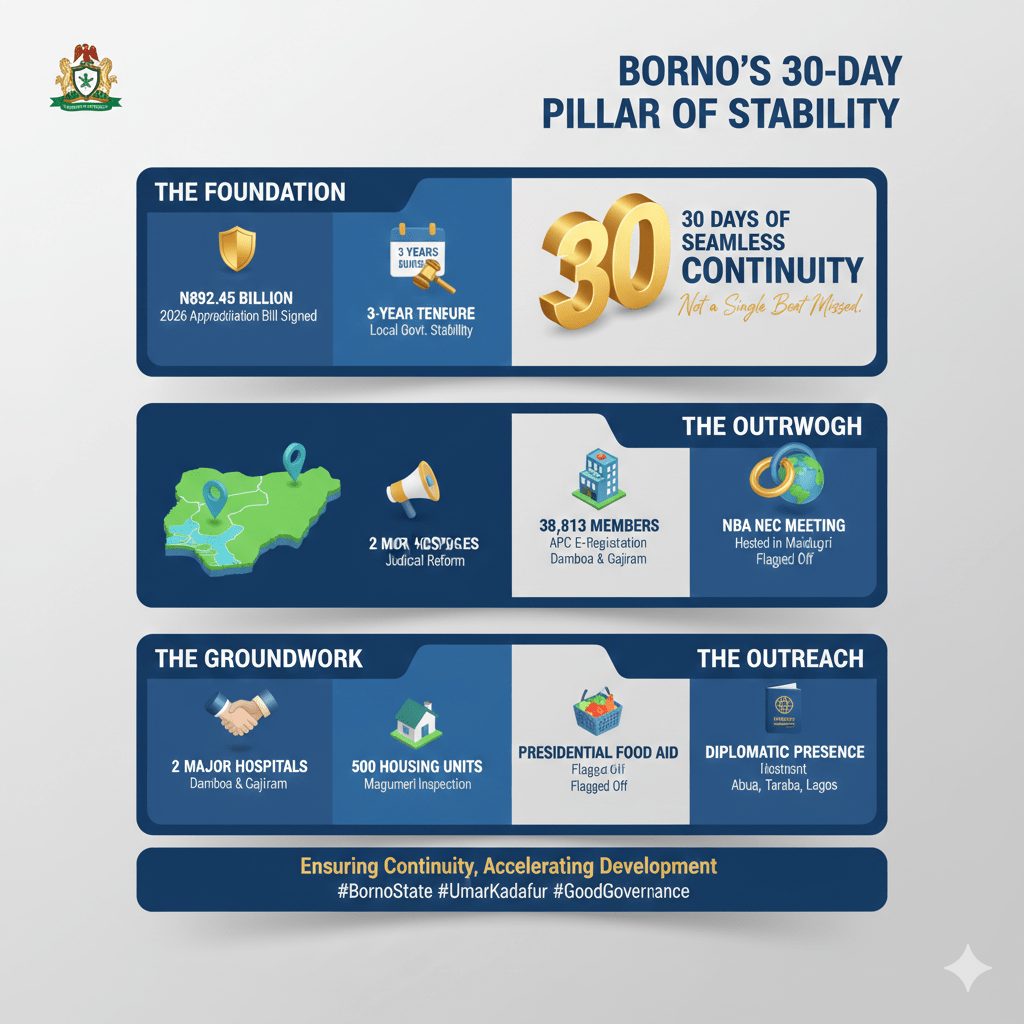
The results were immediate: over 38,000 members were registered in the district, a feat attributed to his hands-on approach.
“Effective mobilization at the grassroots remains the backbone of our strength,” Kadafur told party faithful, as he reinforced the mantra that the Zulum administration remains people-centered even in the Governor’s absence.
The last 30 days in Borno’s political history have also shed light on Governor Zulum’s unique character. By officially stepping aside for his deputy, he has shown that he does not view power as a desperate, ‘do-or-die’ struggle. Instead, he has set a new standard for leadership, proving himself a true pioneer in his commitment to due process and constitutional order. This selfless disposition, has given the Deputy Governor the rare opportunity, to append his signature on the state’s most important fiscal document – Budget!

Many would agree that it is very rare in Nigeria – it’s even alien – for a sitting governor to surrender such an important piece of administrative task to his lieutenant. But Kadafur made history when he signed Borno’s ₦892.45 billion 2026 Appropriation Bill into law.
The budget, which saw a ₦2.37 billion increase by the House of Assembly to boost health and education, serves as a financial roadmap for the year. Kadafur did not stop there, he also penned his name to assent the Local Government Tenure Amendment Bill – which extends the tenure of council chairmen from two to three years.

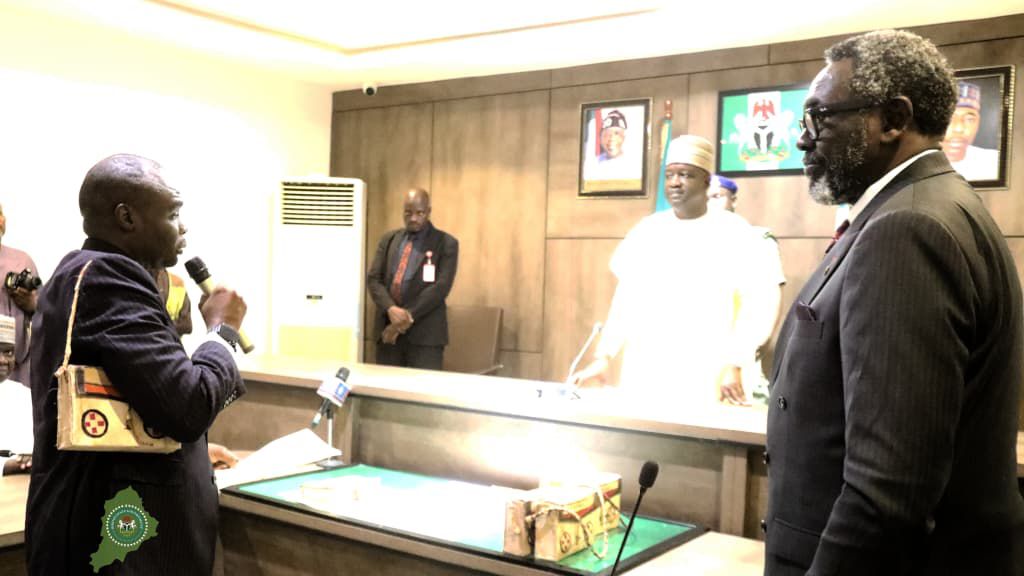
The administrative efficiency in Borno state was further spotlighted when the acting governor swore in 27 newly elected Local Government Chairmen. Typically, governors don’t outsource such tasks to their deputies—especially during the high-stakes politics of a closing term. However, as Acting Governor, Kadafur’s name is on the legal instruments that officially swore in these grassroots leaders.
The Acting Governor’s itinerary over the last 30 days reads like a checklist of developmental milestones:
• Healthcare Expansion: He commissioned the Ultra-Modern General Hospital in Damboa and another in Gajiram, Nganzai LGA. These facilities are more than just brick and mortar; they represent the closing of a “painful chapter” of insurgency.
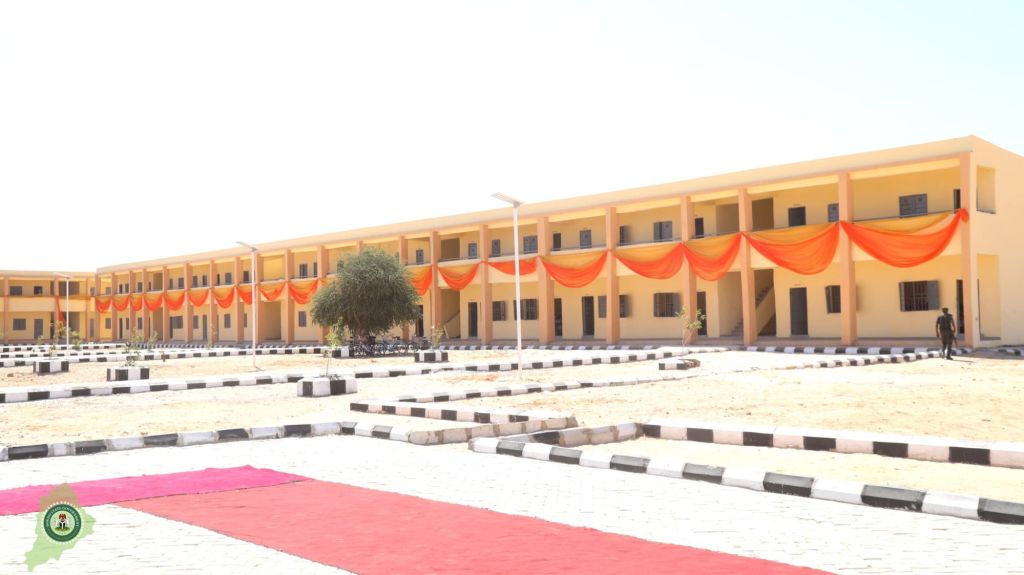
• Infrastructure and Education: In Nganzai, he inaugurated a 48-classroom Higher Islamic College and several solar-powered projects, later stopping in Magumeri to inspect 500 housing units for displaced persons.
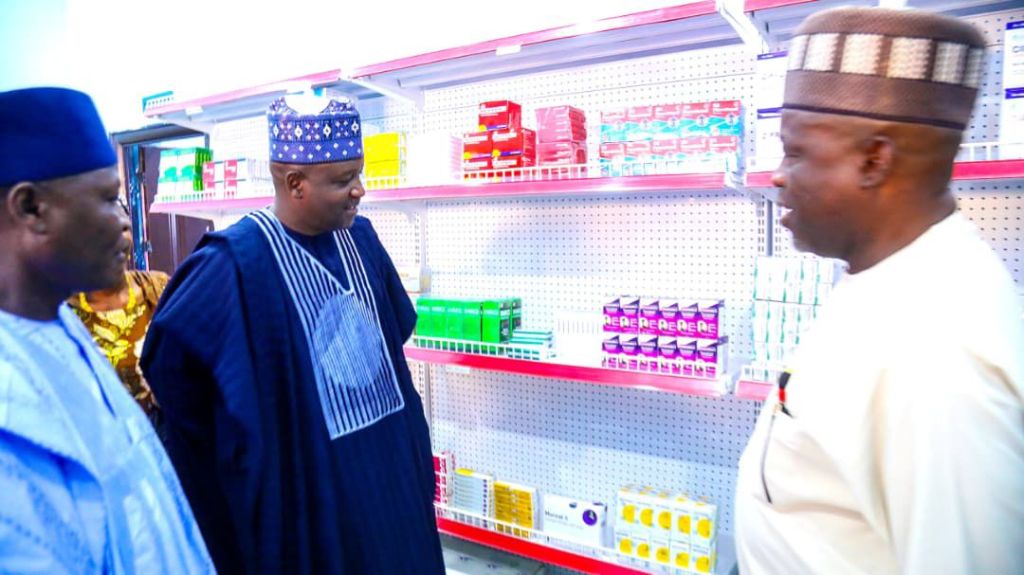
• Economic Confidence: The grand opening of the Sahad Store in Maiduguri, presided over by Kadafur, served as a symbolic “vote of confidence” from the private sector in Borno’s returning peace.
• Judicial Reform: He swore in six new High Court Judges, emphasizing the digitization of the judiciary to ensure justice is “swift, impartial, and affordable.
Outside the borders of Borno, Kadafur represented the state with the stride of a seasoned statesman. In Abuja, he joined the Progressive Governors Forum to harmonize party strategy.
In Jalingo, he stood alongside Vice President Kashim Shettima to welcome Governor Agbu Kefas into the APC fold. Even in Lagos, representing Governor Zulum at the University of Lagos Muslim Alumni lecture, he spoke eloquently on “moral renewal” and leadership.

As the 30-day mark passes, the “Kadafur Stint” has proven that the Zulum administration is not a one-man show, but a robust system. Dr. Kadafur has managed to be both a loyal deputy and a decisive leader. He has successfully kept the “Home of Peace” on its path toward the 25-Year Development Plan, ensuring that the transition from recovery to stability remains uninterrupted. Interestingly, this wasn’t Kadafur’s first time stepping in; it actually marked his third stint as Acting Governor of Borno.
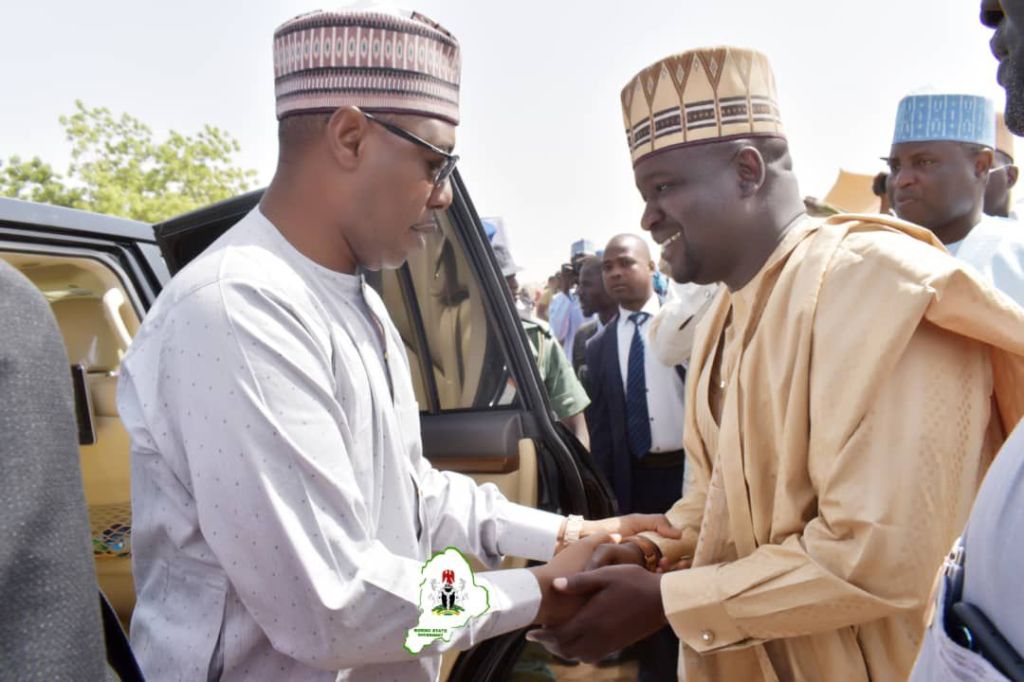
In the streets of Maiduguri, the verdict is clear: the state did not feel the Governor’s absence because the Acting Governor was everywhere. Seven years ago, the choice of Umar Usman Kadafur was a calculation; and today, it is a celebrated certainty.
The big questi lon is: How many governors in Nigeria, today, are courageous and selfless enough to hand over the affairs of his or her state to the deputy to act in full capacity while proceeding for an annual leave? If Zulum is not alone on this path, then kindly leave yours on the comments session for us to know.
 The Humanitarian Times