
By Abdulkareem Haruna
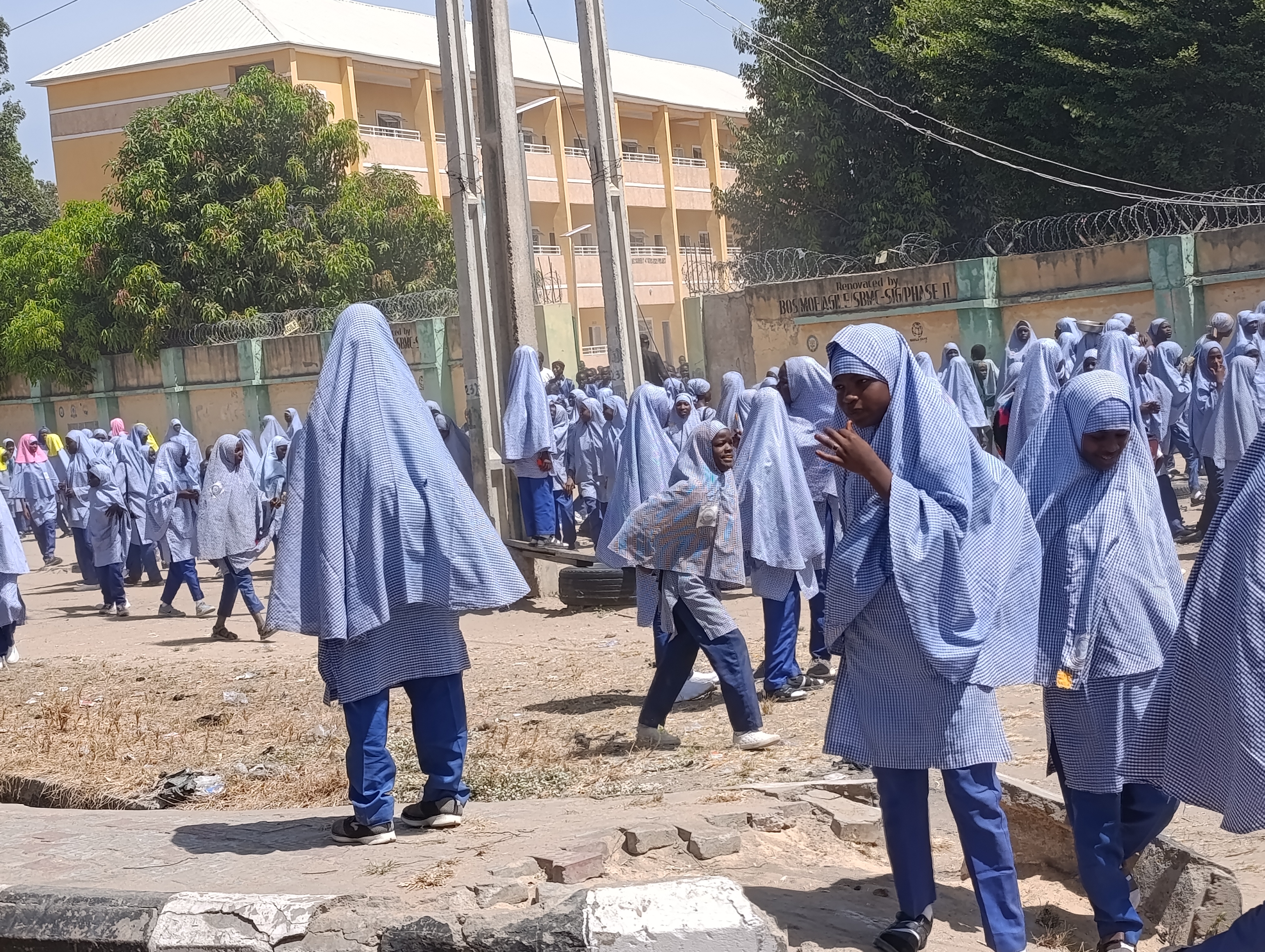
A coalition of civil society organisations in Borno State has warned that worsening household poverty, insecurity, early marriage, and a lack of basic sanitary pads continue to force millions of Nigerian girls out of classrooms, despite years of official promises to protect schools.
The alarm was raised in a communique issued at the end of a joint side event on girl-child education and safe schools, held alongside the 70th National Council on Education (NCE) meeting at the Borno State Hotel in Maiduguri on Tuesday, November 24.
According to the coalition, while Nigeria endorsed the Safe Schools Declaration in 2015, daily realities on the ground – ranging from school abductions and destroyed classrooms to heavy domestic chores, teenage pregnancy, and a shortage of female teachers – still block girls from completing their education.
Reading the communique, the Director of Education for the Network of Civil Societies in Borno State, Abubakar Sadiq Muazu, urged federal and state authorities to move beyond policy declarations and back safe school initiatives with dedicated budgets and practical support.
“The deliberations highlighted the need to move beyond policy commitments towards practical, coordinated and sustainable actions that guarantee every girl’s right to quality education and a safe learning environment,” Mr Muazu read from the document.
Themed “Beyond Commitment: Advancing Sustainable and Resilient Safe Schools Across Nigeria,” the event brought together government officials, security agencies, development partners, community leaders, and civil society advocates to chart practical ways to keep girls safe and in school.

The coalition pointed to Katsina State as a model for other states, noting that it has not only adopted the Safe Schools Policy locally but also backed it with dedicated budget provisions to reduce the impact of violence on schools.
Six-point demand to government
To turn commitments into measurable results, the consortium outlined six key calls to action for federal, state, and local authorities:
Increase Education and Emergency Funding: The groups urged governments to raise education budgets and create flexible funding for Education in Emergencies (EiE). They called for dedicated school safety funds inside State Education Sector Operational Plans (SESOPs), tracked transparently through the Digital National Education Management Information System (DNEMIS).
Support Vulnerable Girls and Young Mothers: Authorities were asked to expand scholarships, conditional cash transfers, learning materials, and menstrual hygiene support. The coalition also urged states to adopt policies allowing adolescent mothers to return to formal school and to fund alternative learning pathways.

Adopt Safe School Policies Nationwide: All states were urged to adopt and implement the National Policy on Safety, Security and Violence-Free Schools, backed by early warning and rapid response systems to protect students and teachers.
Recruit More Female Teachers: Governments at all levels were called upon to hire, train, and support more qualified female teachers—especially in rural and underserved communities—while improving teacher welfare and school supervision.
Strengthen Community Partnerships: The communique called for closer teamwork among parents, traditional and religious rulers, security agencies, and civil society to tackle cultural norms and local security threats against schools.
Track Progress With Real Data: Stakeholders demanded stronger monitoring systems to track girls’ enrolment, attendance, and graduation rates so policies are guided by hard evidence.
“Participants reaffirmed that advancing girl-child education and sustainable safe schools requires collective responsibility, sustained investment, strong government leadership and community ownership,” the communique concluded, stressing that every girl must be able to complete her education in safety and dignity.