
By The Humanitarian Times Investigative Desk
KADUNA – For three years, 20-year-old Salisu Mohammed lived and worked inside hidden forest camps around Kaduna. Working under a gang leader named “Boka,” Mohammed was part of a monstrous group that terrorized towns and villages in Chikun Local Government Area, including Karji, Babban Saura, and Sabon Gida communities of Kaduna State.
In a recorded police interrogation video clip obtained via Facebook, Mohammed explained how his group worked. He shared how they moved from stealing cows to kidnapping people, holding big weapons, and collecting millions of naira in ransom.
From stealing cows to kidnapping people
Mohammed said his life in crime started three years ago. At first, he stole cows before joining the kidnapping business.
The gang hid inside an abandoned factory camp near Babban Saura and PW in Kaduna. Their leader, who controlled the camp, was a man known as Boka.
“We just came and met him inside the camp,” Mohammed said. “He is ahead of me… He is our boss.”
Mohammed explained that the gang was very large. Before security forces raided them, a single camp could hold up to one hundred fighters. After moving deeper into the forest to hide from security, even more new recruits joined them.
A forest full of guns: over 100 weapons
When asked about their weapons, Mohammed described a large supply of dangerous arms inside the forest. He said the camp has more than a hundred guns.
“By God, right now… the guns there are well over a hundred,” he said.
Aside from regular rifles, Mohammed admitted that the group owns heavy military weapons.
“Besides AKs, there are also… stand-guns… Bika… the ones mounted on vehicles… what they call ‘Jigida’. There are about five of them there that I know of.”
How they did it: Multi-million naira ransoms
Mohammed talked investigators through the money the gang made. He mentioned specific places they attacked around Kaduna, such as Kyauta, Keke, and Sabon Gida.
He explained how small groups of fighters carried out successful attacks and made huge amounts of cash:
The First Big Kidnapping (Kyauta Area): Five gang members attacked a home. The husband ran away, but they captured a woman and her children. “In my first ever kidnapping operation, when we went… we were given ₦200 million…. We abducted two people… a woman and her children… the husband escaped,” he confessed
The second kidnapping (Sabon Gida): Three gang members (including him) went on this mission and kidnapped three people, including a woman and her children. “They gave us ₦50 million naira… We captured three people,” he said.
Other attacks: Other attacks around Babban Saura and Kujama brought in even more money. Small groups of five to seven fighters collected ransoms of ₦300 million naira in different operations.
The interrogation video shared on Facebook ended abruptly without showing the rest of what appeared to be a lengthy confession of a
Why This Matters
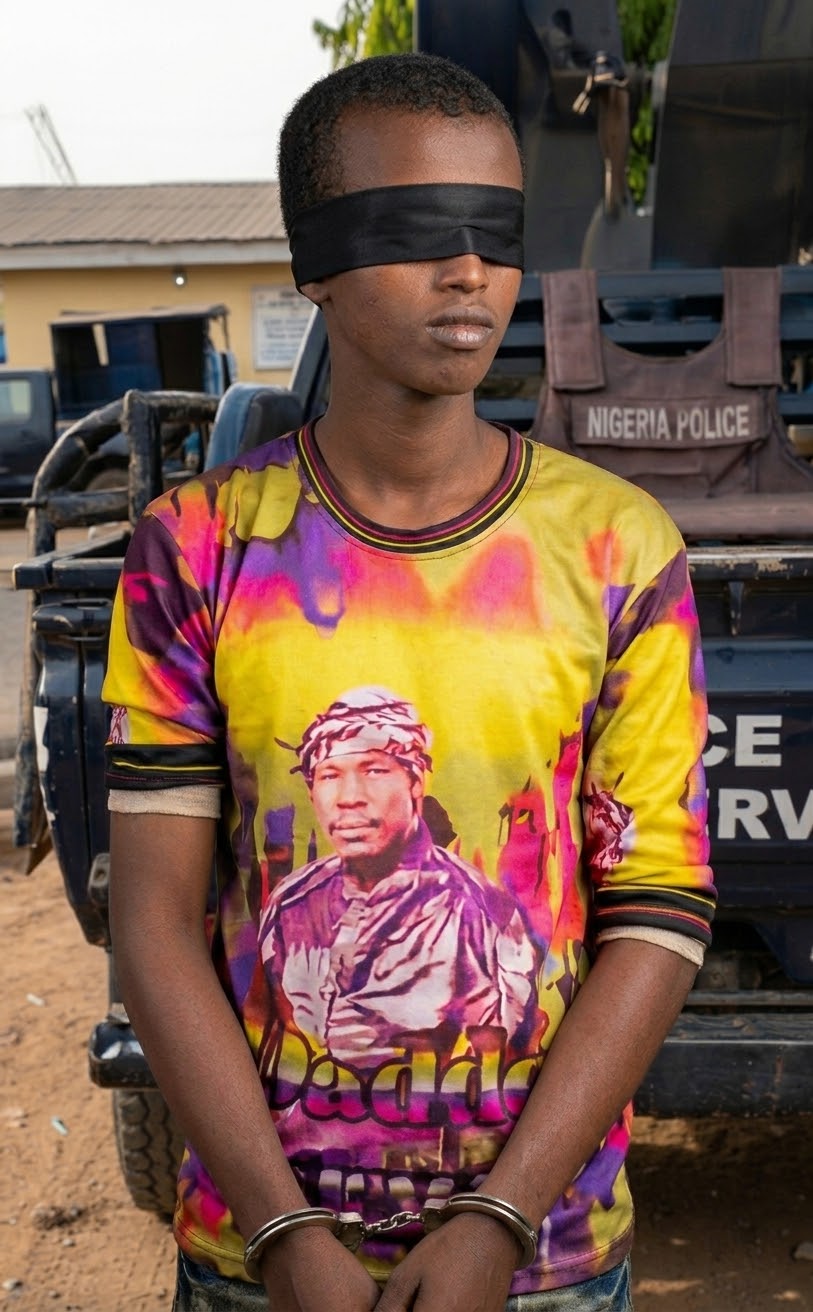
Mohammed who was shown standing outdoors with his hands cuffed together in metal restraints, appears slender with a youthful build, short dark hair, and a dark complexion. He is dressed in a casual patterned t-shirt, a deceptively fragile and innocent appearance that can make it difficult for anyone to believe that such a boyish and unassuming look could belong to a dangerous kidnapping gang.
His confession story vividly shows the serious dangers facing people living in villages and towns around Kaduna State, especially in Chikun.
Kidnapping has gradually turned into a multi-billion naira industry across Nigeria, with families quietly parting with millions of their hard-earned money to secure the safe return of their loved ones. This worrying trend shows how desperate the situation has become, as ordinary citizens are forced to bear the heavy financial and emotional burden of paying ransoms just to keep their families safe. If this cycle continues unchecked, kidnapping risks becoming normalized as a regular business venture for frustrated and unemployed young people seeking quick wealth.
To halt this alarming slide, the government must take decisive action that goes beyond surface-level security responses. Tackling the root causes requires creating real economic opportunities and jobs for young people, while significantly strengthening intelligence gathering and law enforcement. At the same time, authorities need to track financial flows linked to ransom payments, dismantle organized criminal networks, and enforce strict legal consequences to ensure that crime never pays.