By Abdulkareem Haruna
The Nigeria Deposit Insurance Corporation (NDIC) has underscored the importance of early financial education by hosting a symposium for secondary school students in Maiduguri to mark the 2026 Financial Literacy Day.
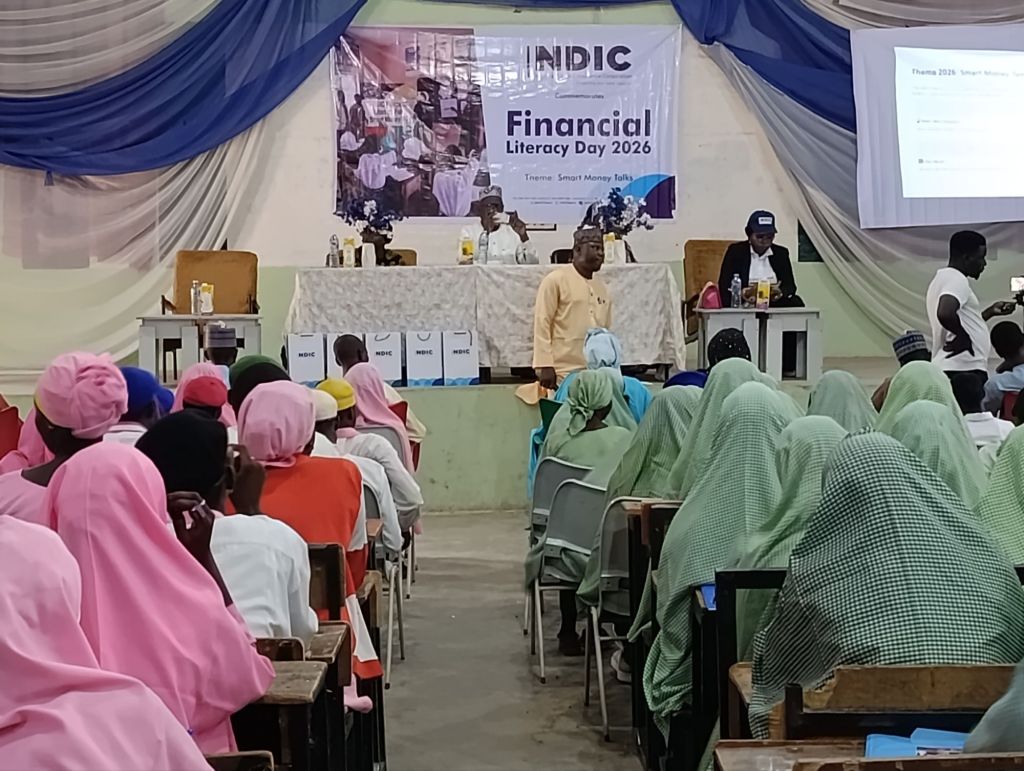
The event, held at the multi-purpose hall of Government College, Maiduguri, brought together approximately 250 students from four public schools to be drilled on the principles of financial discipline, budgeting, and the fundamentals of the Nigerian banking system.
Organized as part of a nationwide awareness campaign by the Bankers’ Committee, in collaboration with the Central Bank of Nigeria (CBN) and the NDIC, the symposium aimed to entrench a culture of savings among youths during their formative years.

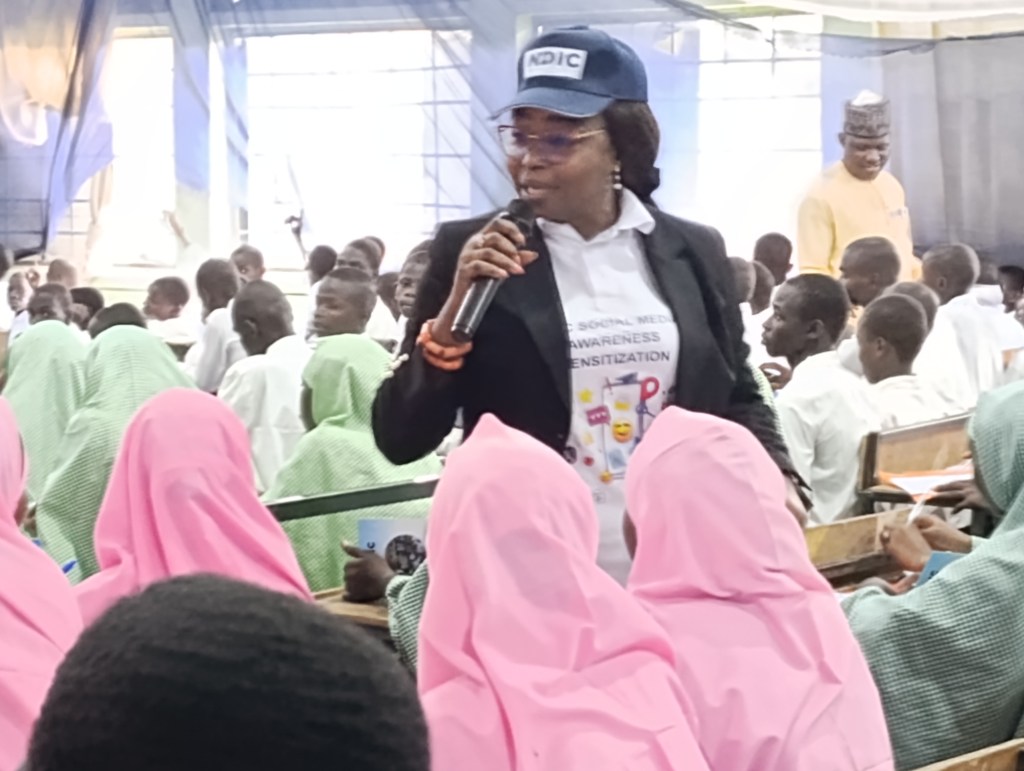
Speaking during the engagement, an official of the NDIC, Hadiza Kaigama, who is the Coordinator of the Financial Literacy Day (FLD) in Borno State, noted that the initiative is designed to bridge the gap in financial literacy, which often leads to poor money management even among adults.
“The culture of savings, budgeting, and the ability to differentiate between needs and wants are vital skills,” Ms. Kaigama said. “When people earn, they often struggle with impulse spending. We are encouraging you students to imbibe the culture of saving in banks, and we want you to know that your deposits are protected in banks.”
The Head of the Legislative Affairs and Government Relations Unit in the Communications and Public Relations Department of the NDIC informed journalists that the corporation serves as a safety net for the banking sector, noting that the NDIC guarantees deposits up to a maximum of 5 million Naira in commercial banks. Referencing the recent dissolution of Heritage Bank, Mrs. Dimlong noted that the corporation has already facilitated payments to 78% of depositors within the insured limit.
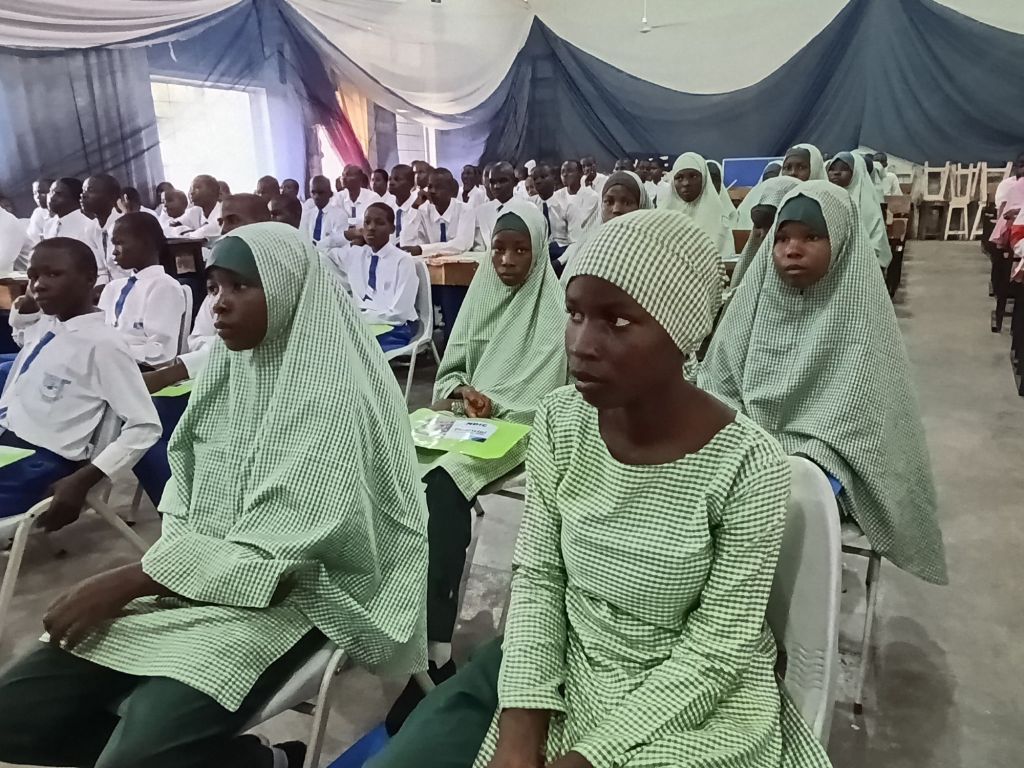
During the technical session of the event, Mrs. Dimlong took the students through an extensive overview of the corporation’s mandate. Her presentation covered the rationale behind the establishment of the NDIC, its core functions, and the agency’s vision, mission, and core values.
Facilitators at the event expressed optimism regarding the potential of the students in the North-East, despite regional challenges.
Appraising the students’ engagement level during the sensitization session, the Principal Manager of the PR Department said: “My impression is that the children are willing to learn, and most of them are brilliant. Despite the challenges posed by insecurity in this region, the response and the passion to learn displayed by these students today are quite impressive.”
One of the students, Hauwa Zubairu Ali, of Kashim Shettima Secondary School in Mairi, Maiduguri, expressed her delight in attending the seminar. According to her,
“Now I know how important it is for us to save and how the NDIC can protect our money.”
Zainab Sule, a student of Government Day Secondary School in Zajiri-Maiduguri, said her take-home lesson was on how to budget her money and how to spend it wisely.
Iliya Jeremiah, a student of Government College, Maiduguri, said the engagement had deepened his existing knowledge on saving money. “Now I have a better idea of how to save for a rainy day, and I also know how best to budget and spend money. Above all, I’ve come to understand the core mandate of the NDIC as a deposit insurance outfit of the government whose responsibility is to protect our bank deposits.”
The NDIC noted that Financial Literacy Day is part of a broader, year-round effort to deepen financial inclusion. The corporation maintains ongoing partnerships with school clubs and utilizes global platforms like World Savings Day to extend its reach to more students across the country.
Financial Literacy Day remains a core component of the CBN’s effort to align with Global Money Week, an annual campaign designed to empower the next generation to become financially capable citizens.
 The Humanitarian Times
Leave a comment