By Abdulkareem Haruna
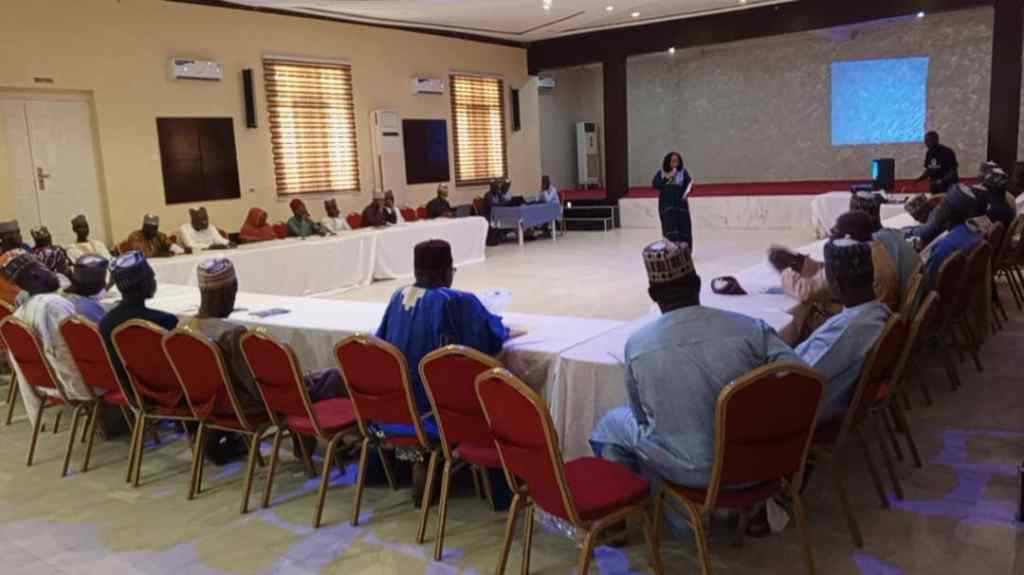
MAIDUGURI, Nigeria – In a bid to reinforce accountability and community trust, the Resilient Borno Health Initiative (REBHI) has trained community leaders under the Systematic Land Titling (SLT) project on safeguarding and protection mechanisms.
The capacity-building session focused heavily on abuse prevention, safe reporting channels, and the core responsibilities of community stakeholders toward vulnerable populations.
Setting the tone for the event, Professor Monguno, the lead consultant for the project, delivered an opening address stressing that the workshop focuses on professional conduct and responsibility by the participants.

He emphasized how to carry out tasks effectively without causing friction, damaging relationships, or undermining senior figures, while highlighting the importance of being mindful of one’s actions in the workplace to avoid unnecessary complications.
Following the opening remarks, participants outlined their expectations and anxieties, ranging from mastering safeguarding protocols to navigating local public health challenges like cholera prevention and complex land-related disputes. Several attendees voiced early concerns regarding comprehension of technical terms, which facilitators addressed through simplified, participatory modules.
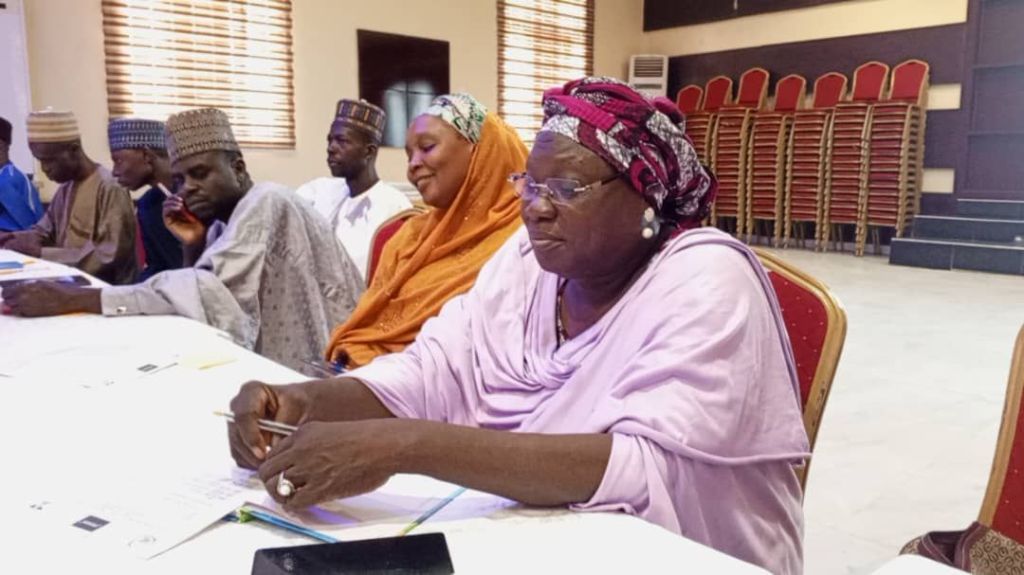
Facilitators walked the community leaders through foundational concepts, including the dynamics of power, the operational definitions of abuse against children and adults, and standard protocols for flagging and reporting protection concerns.
Emphasizing the grassroots structure necessary for sustainable security, lead facilitator Edeh Amara Virginia underscored the critical need for localized oversight.
“Safeguarding is not just an administrative checklist; it is the bedrock of community trust and dignity,” Ms. Virginia said during the workshop.
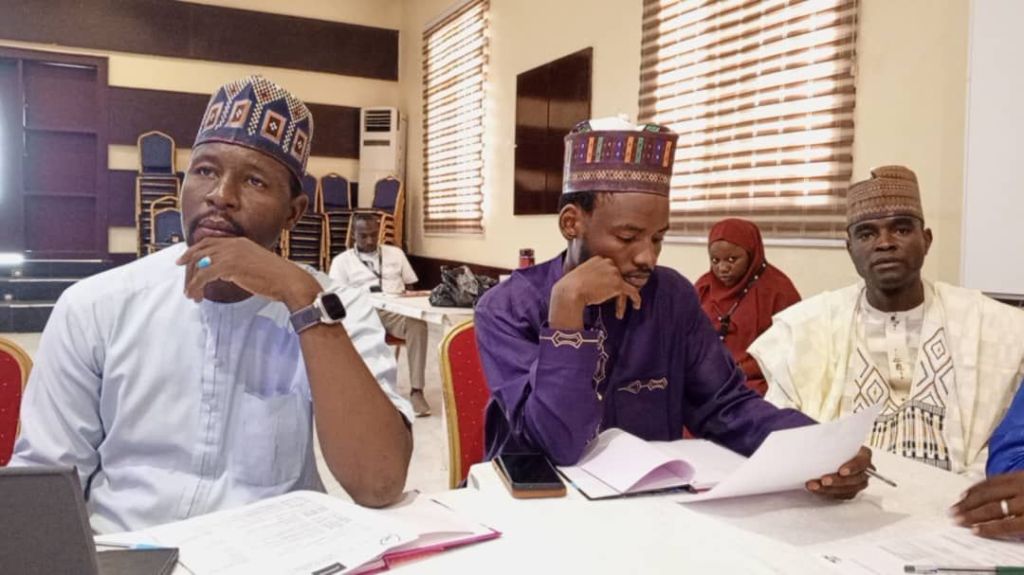
“We are urging every community to establish dedicated safeguarding committees. These structures are vital to promoting local peace, mitigating everyday risks, and proactively protecting vulnerable groups.”
“The training also tackled ethical standards in fieldwork, instructing participants on the responsible collection of information and the avoidance of unintended harm. Ms. Virginia reminded attendees that rights-based interventions must prioritize the agency of affected individuals.
“We must ensure that affected persons are fully empowered to make their own decisions, rather than having decisions imposed on their behalf,” she added.
Organizers noted that embedding these protocols aims to foster a transparent environment that safeguards both project beneficiaries and field personnel, ultimately strengthening community resilience across the intervention areas.
 The Humanitarian Times
Leave a comment