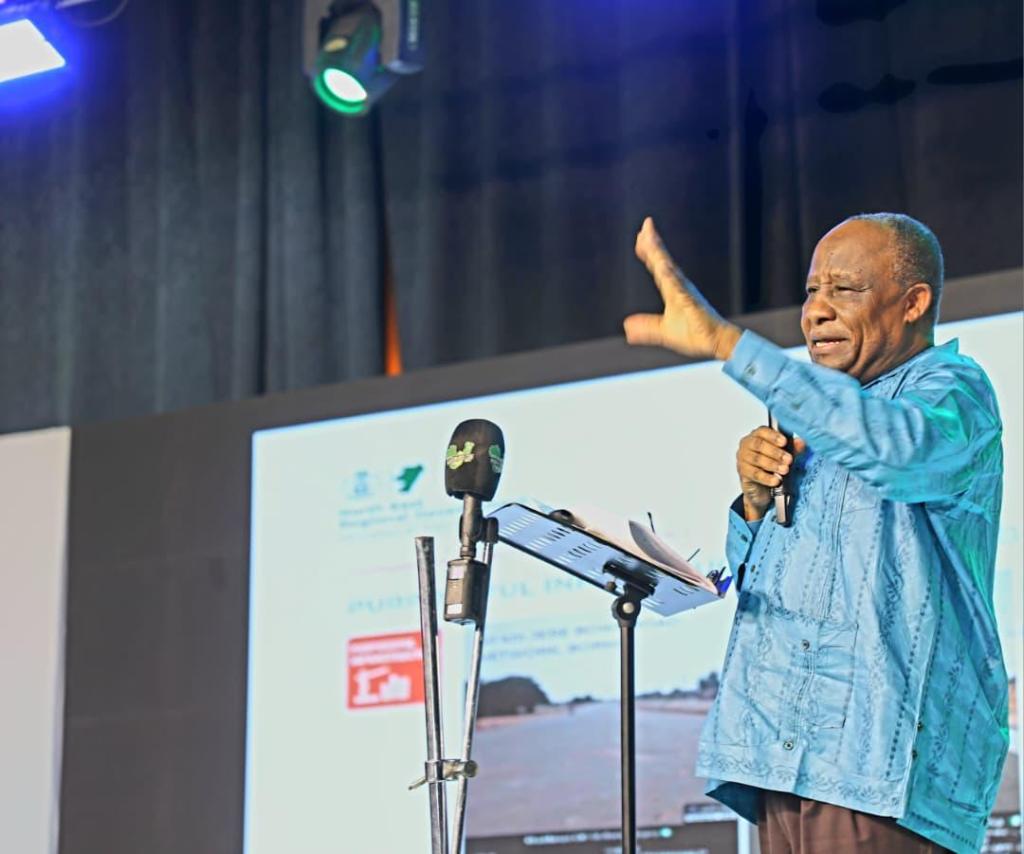
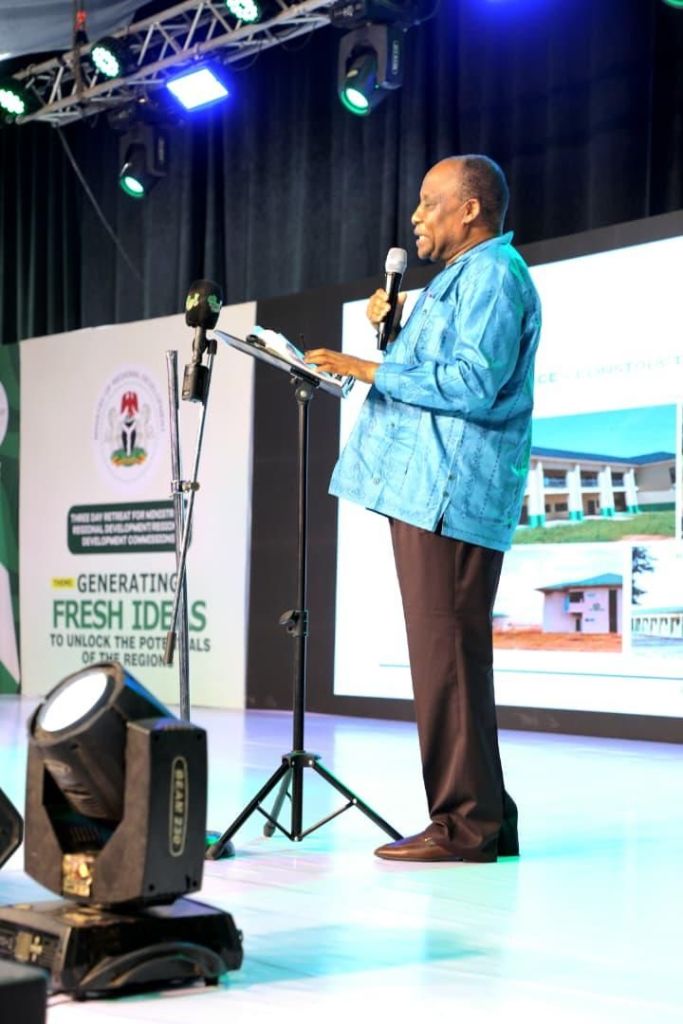
Last week, Leaders from Nigeria’s regional development commissions gathered at the prestigious Uwaifo Hall, in the historic city of Benin, for a high-stakes three-day retreat, convened by the Federal Ministry for Regional Development. The theme for the retreat was “Generating Fresh Ideas to Unlock the Potentials of the Regions.”
While the delegates represented the diverse geopolitical spread of the federation, one commission stood at the center of the conversation especially as it pertains post-conflict reconstruction: the North East Development Commission (NEDC).
Led by its Chairman, Major General Paul C. Tarfa (Rtd), the NEDC delegation arrived in Edo State not just to deliberate on abstract policies, but to present a masterclass in institutional resilience. The commission’s story, as detailed by its Managing Director and CEO, Mohammed G. Alkali, in a presentation titled “Tell the Story as it Is,” is a staggering account of how a region once synonymous with insurgency is being methodically re-engineered for prosperity.
The Magnitude of the Challenge
The MD informed the gathering that in order to understand the NEDC’s current trajectory, one must first grasp the depth of the valley from which the North East is climbing. The region, comprising Bauchi, Gombe, Taraba, Yobe, Borno, and Adamawa, covers a massive one-third of Nigeria’s landmass. It is a territory of 29 million people – predominantly agrarian – who have been caught in the crosshairs of a conflict that erupted in July 2009.
The toll of the insurgency is difficult to quantify: over 350,000 deaths, 2.5 million people displaced, and a staggering $9 billion in total economic damages. In 2022, while much of the world was rebounding from the pandemic, the North East faced a reality where 5.1 million people were experiencing food insecurity.
The Birth of NEDC: Building from Zero
The NEDC was established by an Act of the National Assembly and signed into law by President Muhammadu Buhari in 2017, but its actual take-off in 2019 was anything but smooth. Unlike older government agencies, the NEDC inherited no staff, no headquarters, and no established secretary.
“We briefly operated from private offices and the SGF conference hall,” MD Alkali recalled, noting that the commission waited six months for its initial ₦10 billion take-off grant. It was the Borno State Government that eventually provided the initial facilities, allowing a skeleton crew of residual staff from previous transitional bodies like the PCNI to begin the work of recovery.
The ₦31 Trillion Master Plan
In Benin City, the NEDC’s contribution to the retreat centered on the North-East Stabilization and Development Master Plan (NESDMP). This 10-year roadmap (2020–2030) is perhaps the most ambitious regional development document in West African history.
Budgeted at ₦31.05 trillion ($80 billion at 2022 rates), the plan is designed to be 82.3% private-sector led. It is structured into four distinct phases:
1. Recovery & Stabilization (2020–2022): Focused on immediate reconstruction.
2. Renewal (2022–2024): Centered on resettlement and SDG-based regeneration.
3. Expansion (2024–2026): Utilizing Public-Private Partnerships (PPP) for large-scale transformation.
4. Sustainable Growth (2026–2030): Creating an enabling environment for private sector dominance.
The plan is anchored by 11 Pillars of Development, ranging from Peacebuilding and Agriculture to Industrialization and ”Memorable Experiences” (Tourism).
Infrastructure: The Arteries of Recovery
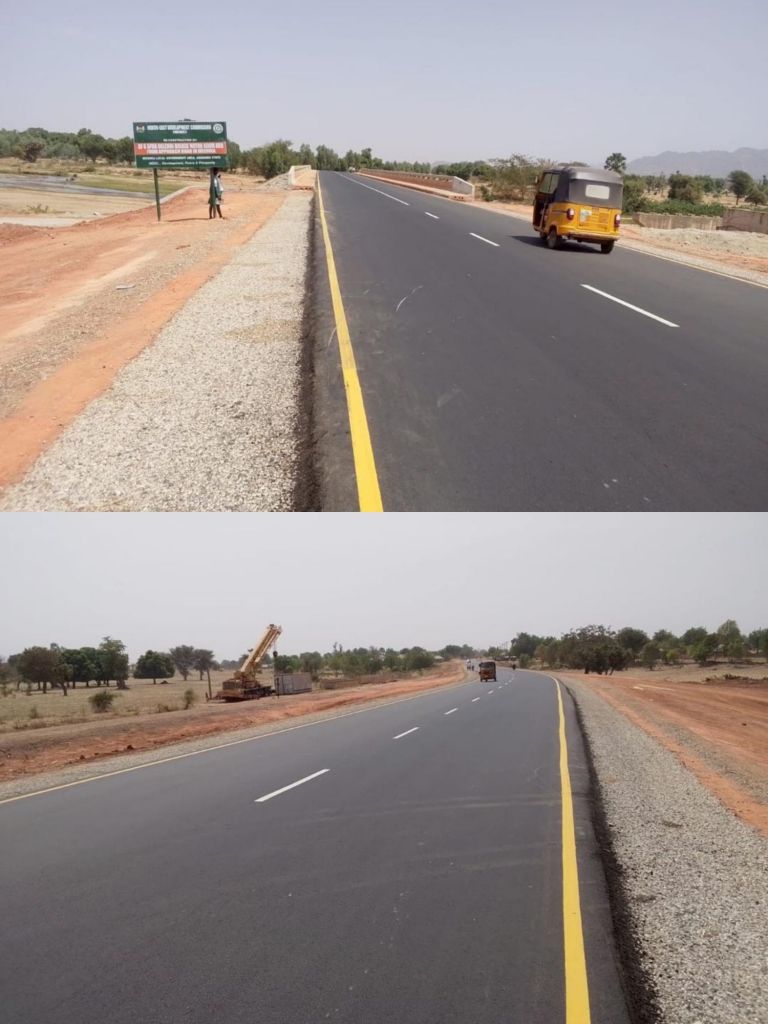
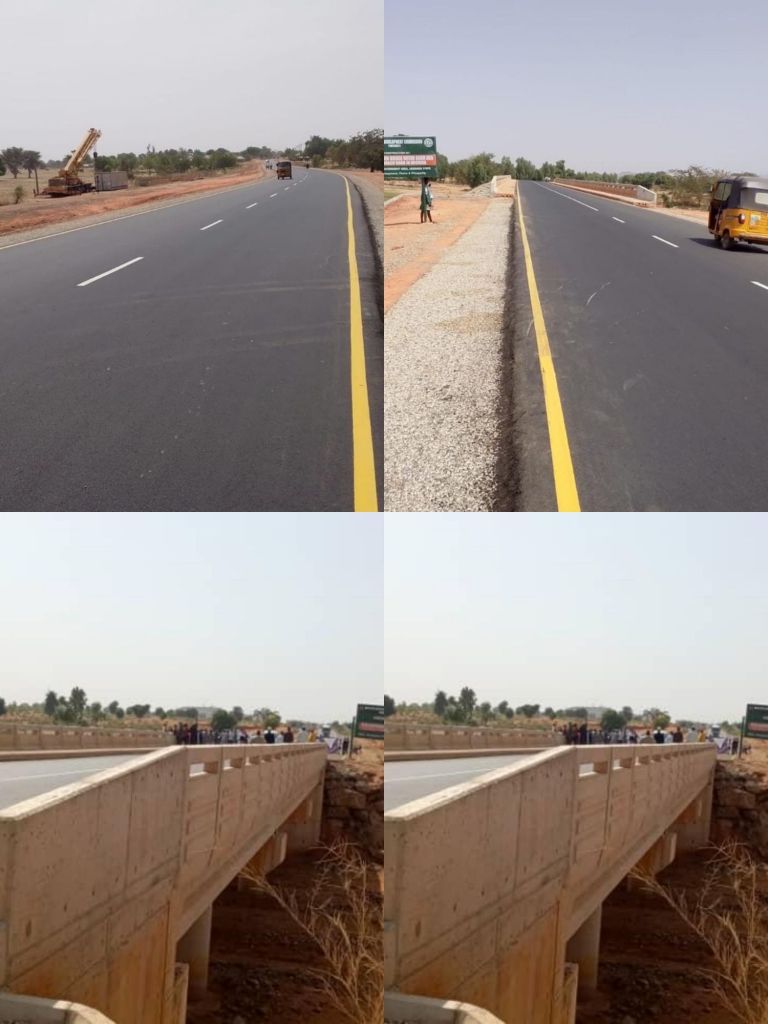
The NEDC’s physical impact is already etched into the landscape of the six states. In the realm of “Purposeful Infrastructure,” the commission has moved with military precision.
The Jere Bowl road network in Borno (40km), the Mutai-Ngalda road in Yobe (54km), and the Dabna-Garkida road in Adamawa (32km) are more than just transit routes; they are economic lifelines for farmers who had previously been cut off from markets. Perhaps even more critical has been the rehabilitation of over 33 bridges—including the Kalajanga and Dilichim bridges—which had been destroyed by insurgents to cripple regional movement.
Health and Education: Investing in Human Capital
The commission’s “Healthy Citizens” and “Educated Populace” pillars have seen equally aggressive implementation. In a region where healthcare infrastructure was specifically targeted by terrorists, the NEDC has equipped hospitals with advanced medical technology, including MRI and CT scanners. It has also constructed specialized wards like the Burn Centre at the University of Maiduguri Teaching Hospital (UMTH), and upgraded the Maiduguri Eye and Dental Hospital with most latest medical equipments.
In education, the NEDC is tackling a low literacy rate head-on with the construction of 18 “mega schools” across the region. These institutions, located in towns like Potiskum, Biu, and Dukku, are designed to offer world-class learning environments to children who have known only the shadow of conflict.
The “New Board” Era and Future Outlook
The commission faced a critical transition period between May and August 2023, during which accounts were frozen and morale dipped. However, the inauguration of a new board by Vice President Kashim Shettima on August 9, 2023, injected fresh momentum into the agency.
Today, under the supervision of the newly created Ministry for Regional Development, the NEDC is pivoting toward the future. At the Benin retreat, the commission highlighted its “Expansion” phase initiatives, which include the deployment of E-mobility (Electric Vehicles) to mitigate the impact of fuel subsidy removal on regional transport.
The future outlook includes “Connected Region Projects” – the dream of regional railways and a dedicated North East airline to facilitate the “Flourishing Trade” pillar.
A Global Standard for a Regional Mandate
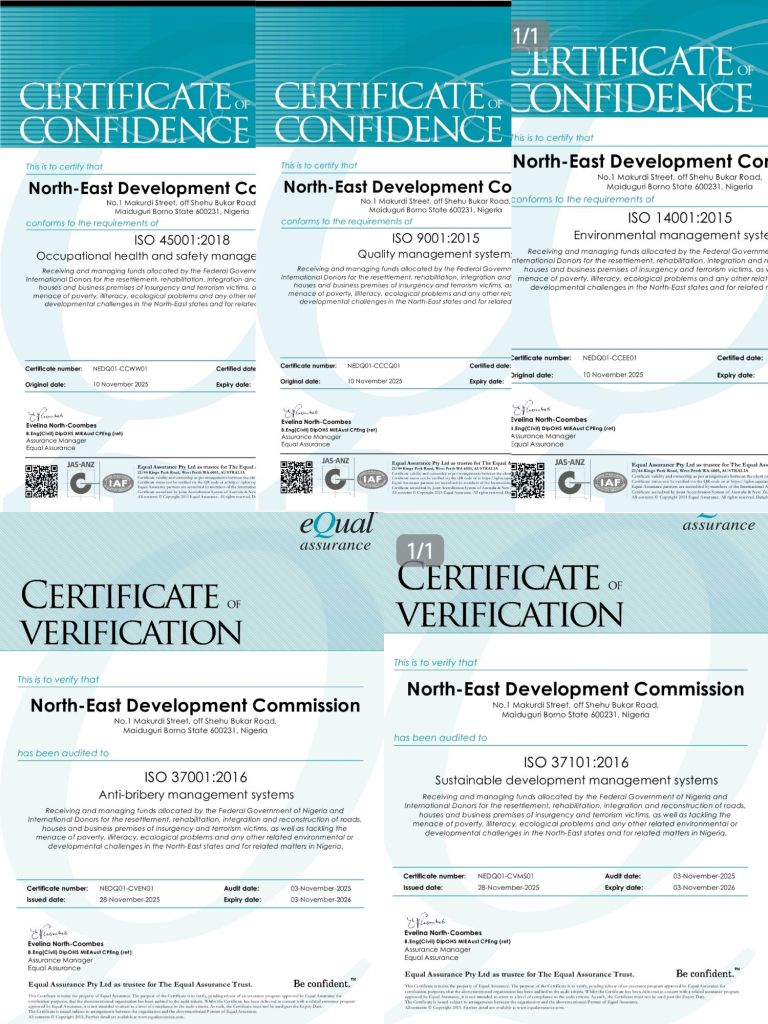
One of the most significant revelations at the retreat was the NEDC’s achievement of multi-standard ISO certifications. In a climate where transparency is often questioned, the commission has secured certifications in Quality Management (9001:2015), Anti-Bribery (37001:2016), and Environmental Management (14001:2015), among others.
“Our regional mandate now has a global outlook,” Alkali told the audience of governors and ministers.
As the three-day retreat in Edo concludes, the NEDC’s participation has sent a clear message to the nation: the North East is no longer a “problem to be solved,” but a laboratory of development success. Through a combination of “Peaceful Society” initiatives, massive infrastructure spending, and a transparent governance structure, the NEDC is proving that even in the face of a $9 billion wreckage, “Development, Peace & Prosperity” are not just slogans – they are a reality in the making.
For the 29 million people of the North East, the road remains long and the security situation “fluid,” but at the end of the retreat that held the heart of Benin City this week, hope for a brighter, safer and prosperous future is not only being renewed but strengthened. With the progress being made so far by the NEDC the North East is not just coming back; it is leading the way.

 The Humanitarian Times
Leave a comment