By Abdulkareem Haruna
A growing coalition of stakeholders across the nine Local Government Areas of Borno South has called for a restoration of “political equity and rotation” in the district’s representation at the National Assembly.
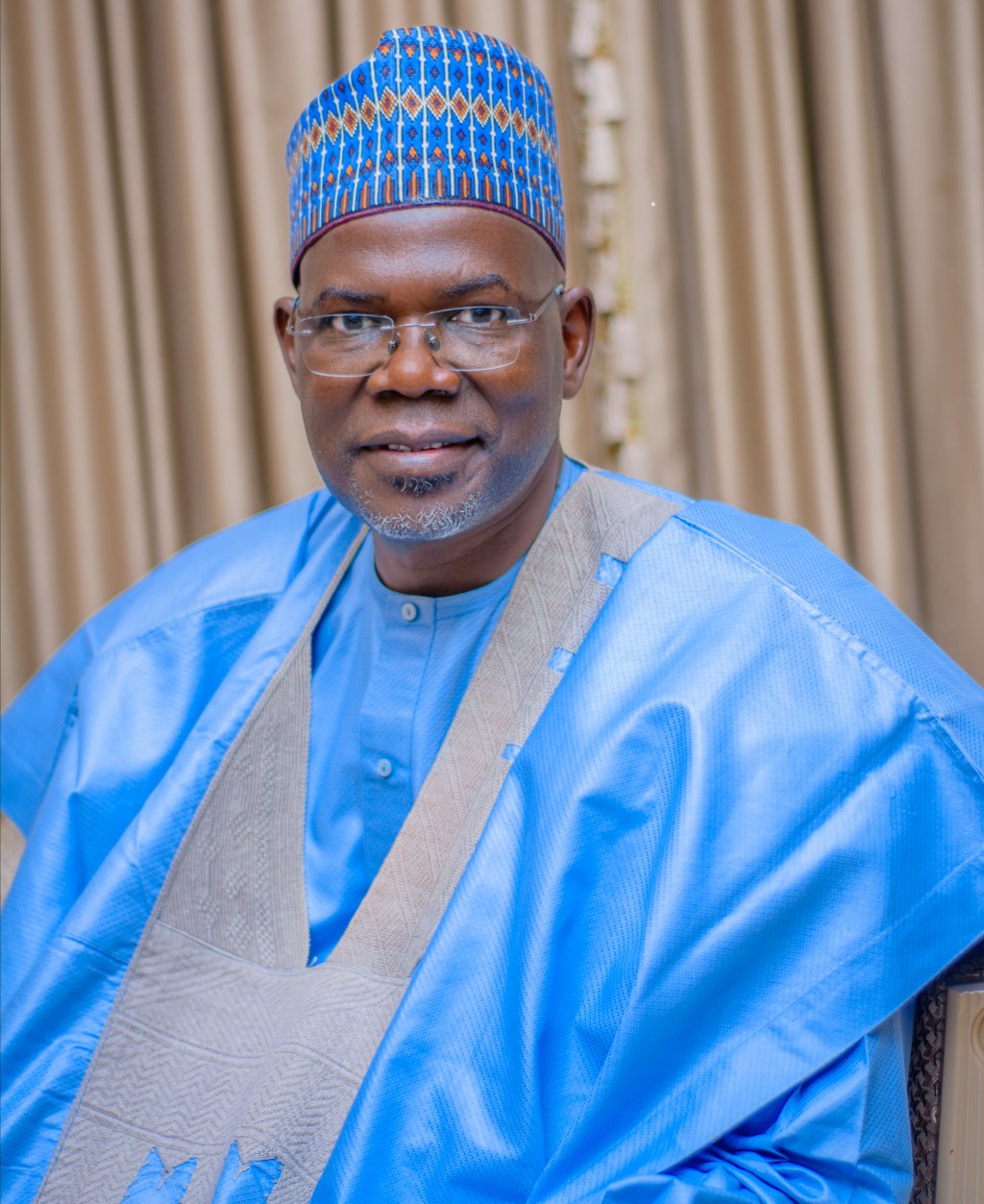
LThe move, which gained significant momentum during a series of consultative meetings in Biu, Gwoza, and Shani, aims to draft the Deputy Speaker of the Borno State House of Assembly, Honourable Engineer Abdullahi Musa Askira, to contest the 2027 Senatorial seat currently held by Senator Mohammed Ali Ndume.
Restoring the Principle of Rotation
The call for change is being framed not merely as a political challenge but as a return to historical fairness. Hon. Sule Gambo Askira, a veteran of the region’s political journey, and one deputy speaker of the House of Assembly, noted that the demand is rooted in the spirit of concession established during the Second Republic.
“It was we, the people of Askira/Uba, who started this journey when Senator Jafaru Manga emerged in the first Republic, when it came to the second Republic we agreed that the seat should shift to Gwoza so they too could also have a taste of representation,” Hon. Gambo recalled.
“In fact, I stood firm to ensure that Senator Abubakar Mahdi from Gwoza was elected because we believe in the principle of rotation.”
The lamented, however, that this initial spirit of fairness has stalled with Gwoza holding onto the seat as a birth right, leading to a long-standing imbalance.
“After Senator Mahdi served his time, the seat was never moved… It was retained in Gwoza through Senator Hambagda who served twice, and now, Senator Ndume, serving for the fourth time. The Senatorial seat is supposed to rotate among the rest of us – Chibok, Damboa, Gwoza, and Askira/Uba. Biu local government is excluded because we agreed that they hold onto the Deputy Governorship office.
The emergence of Engineer Abdullahi Askira is seen by supporters as a necessary step toward regional harmony. Dr. Hauwa Mai-Musa, a prominent voice from Chibok Local Government, emphasized that Gwoza’s 20-year hold on the seat necessitates a change for the sake of inclusion.
“To be fair to the people of Chibok and Askira/Uba, it is time for a rotation,” Dr. Mai-Musa, a special adviser on women affairs in the Zulum administration, asserted.
“Engineer Askira is a proven leader. His track record shows he has been tested and is ready to lead at the federal level.”
Man of Grassroots Impact
Beyond political equity, the Deputy Speaker’s candidacy is bolstered by his reputation as “a champion for the vulnerable.”
Tafu Malla, a notable woman politician in the zone, highlighted Askira’s impact on job creation and social welfare.
“Our father Engineer Abdullahi Askira maintains a genuine open-door policy and is always there for the poor,” Malla said. “As women, we are especially proud of how he has helped our children secure employment in the Army, the Police, and other parliamentary outfits.”
“If we, the women, say we are with him, he will surely succeed. We are going to mobilize a mass movement of women to campaign for Engineer Askira,” she enthused.
The man Abdullahi Askira Hon. Abdullahi Musa Askira, FNSE, FNIEEE, brings to the political arena a distinguished blend of technical expertise and long-standing legislative experience. Born on February 13, 1968, in Askira, he rose through the ranks of the Borno State Civil Service to become an Assistant Director in the Ministry of Works and Housing before voluntarily resigning in 2006 to enter public office. A COREN-registered engineer and Fellow of the Nigerian Society of Engineers, he holds multiple degrees, including a Master’s in Disaster and Risk Management, and is currently a Ph.D. candidate in Environmental Resources Management at Nasarawa State University. His legislative career is marked by his historic four-term representation of the Askira/Uba constituency and his current tenure as the Deputy Speaker of the Borno State House of Assembly. Beyond his official duties, he holds the prestigious traditional titles of Garkuwan Askira and Amanan Uba, reflecting a deep-rooted connection to his constituents and the traditional institutions of Southern Borno. He speaks, fluently, his native Marghi, Babur-Bura, Hausa, and English which makes him an all-round native communicator.
Uprooting Borno’s Political Baobab
Senator Mohammed Ali Ndume has long stood as the “political baobab” of Borno, maintaining an uninterrupted presence in the National Assembly since 2003. However, his 23-year tenure has faced significant hurdles. In 2010, his career was nearly derailed when then-Governor Ali Modu Sheriff denied him the party (ANPP) ticket, forcing a move to the PDP where he secured his first Senate win. He faced another stiff intra-party challenge in 2018 from Dr. Salma Anas, the current Presidential Adviser on Health, narrowly escaped defeat in the primaries only after the intervention of the Governor and other party stalwarts. As 2027 approaches, the veteran lawmaker faces yet another high-stakes battle: can Ndume survive the gathering “Askira Tsunami”? Only time will tell.
 The Humanitarian Times
Leave a comment