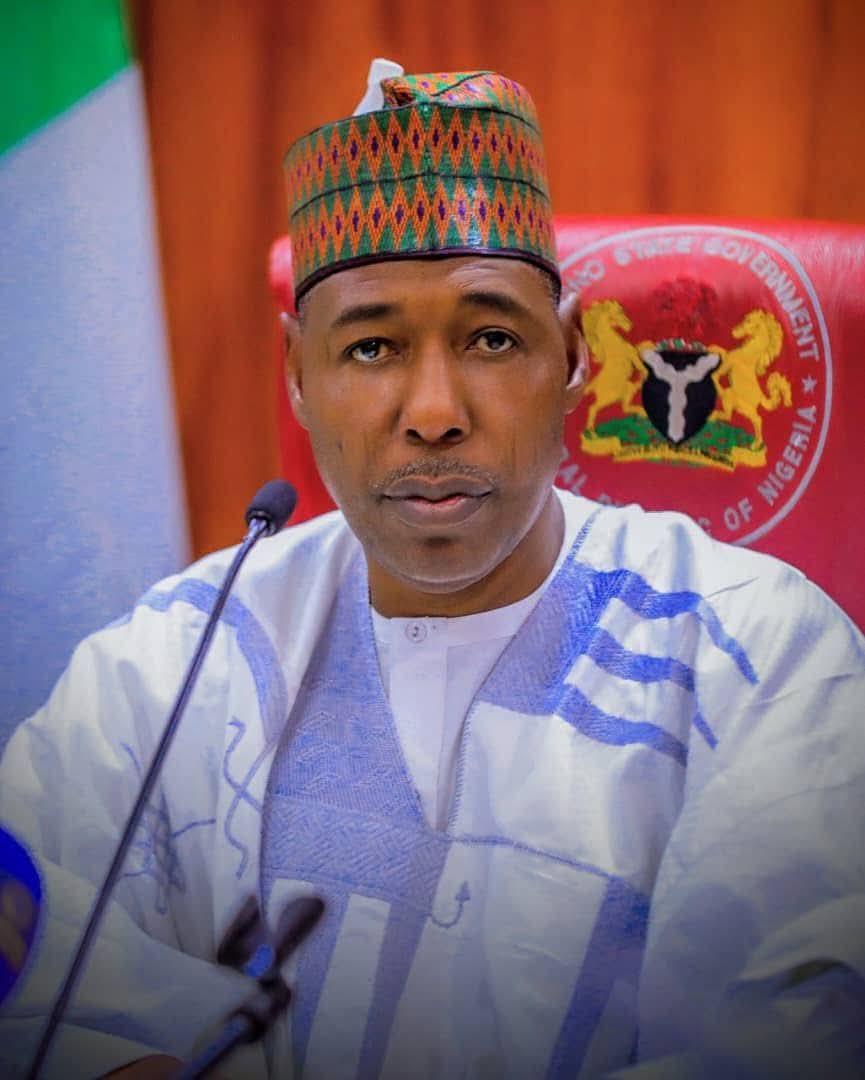
By Abdulkareem Haruna
MAIDUGURI, Nigeria – Borno State governor, Babagana Zulum issued a call for religious harmony and national unity on Sunday, marking the Easter holiday by praising the resilience of a region long defined by its struggle against the Boko Haram insurgency.
In a statement released by his spokesperson, Dauda Iliya, Zulum characterized the holiday as a period of “sacrifice, forgiveness, and love,” following the conclusion of the 40-day Lenten season.
The governor, a professor who has gained national attention for his hands-on approach to the state’s humanitarian crisis, used the occasion to pivot toward the pressing economic and security challenges facing northeast Nigeria.
“Borno belongs to all of us,” Zulum said. “We must shun divisive tendencies, especially during this political period. We have embarked on a collective journey of recovery, and we must not allow enemies of peace to derail our progress.”
The governor’s remarks come at a precarious time for Nigeria, as the country grapples with record inflation and a cost-of-living crisis. Zulum noted that his administration has recently scaled up palliative distributions to reach more than 300,000 families, an effort to mitigate the “current economic hardship” hitting vulnerable households in the Lake Chad region.
Despite the shadow of past conflict, Zulum expressed optimism regarding the eventual end of the decade-long insurgency. He specifically credited the Nigerian Armed Forces, the Civilian Joint Task Force, and local hunters for recent tactical gains in counterinsurgency operations.
The governor also lauded the “religious harmony” between the state’s Christian and Muslim populations, calling on traditional and religious leaders to continue fostering tolerance. Borno, once the epicenter of extremist violence that targeted both faiths, has seen a gradual, if fragile, return to normalcy in its urban centers, though security remains a primary concern in rural districts.
“It is heartening to observe the level of religious harmony,” Zulum said, urging residents to sustain that spirit to achieve “lasting peace.”
GURI, Nigeria — Borno State Gov. Babagana Umara Zulum issued a call for religious harmony and national unity on Sunday, marking the Easter holiday by praising the resilience of a region long defined by its struggle against the Boko Haram insurgency.
In a statement released by his spokesperson, Dauda Iliya, Zulum characterized the holiday as a period of “sacrifice, forgiveness, and love,” following the conclusion of the 40-day Lenten season. The governor, a professor who has gained national attention for his hands-on approach to the state’s humanitarian crisis, used the occasion to pivot toward the pressing economic and security challenges facing northeast Nigeria.
“Borno belongs to all of us,” Zulum said. “We must shun divisive tendencies, especially during this political period. We have embarked on a collective journey of recovery, and we must not allow enemies of peace to derail our progress.”
The governor’s remarks come at a precarious time for Nigeria, as the country grapples with record inflation and a cost-of-living crisis. Zulum noted that his administration has recently scaled up palliative distributions to reach more than 300,000 families, an effort to mitigate the “current economic hardship” hitting vulnerable households in the Lake Chad region.
Despite the shadow of past conflict, Zulum expressed optimism regarding the eventual end of the decade-long insurgency. He specifically credited the Nigerian Armed Forces, the Civilian Joint Task Force, and local hunters for recent tactical gains in counterinsurgency operations.
The governor also lauded the “religious harmony” between the state’s Christian and Muslim populations, calling on traditional and religious leaders to continue fostering tolerance. Borno, once the epicenter of extremist violence that targeted both faiths, has seen a gradual, if fragile, return to normalcy in its urban centers, though security remains a primary concern in rural districts.
“It is heartening to observe the level of religious harmony,” Zulum said, urging residents to sustain that spirit to achieve “lasting peace.”
em Haruna
 The Humanitarian Times
Leave a comment