By Abdulkareem Haruna MAIDUGURI, Nigeria — In the neighborhoods of Bolori and Dusuman, a new effort is underway to ensure that every family’s landed property is backed by more than just a verbal agreement.
This week, the Rehabilitation Empowerment and Better Health Initiative (REBHI) organized a town hall meeting focused on Systematic Land Titling (SLT). The goal is simple but ambitious: helping residents in the Maiduguri Metropolitan Council (MMC) and Jere areas get formal, legal documents for their land, while setting up local committees to settle any boundary arguments before they turn into serious conflicts.
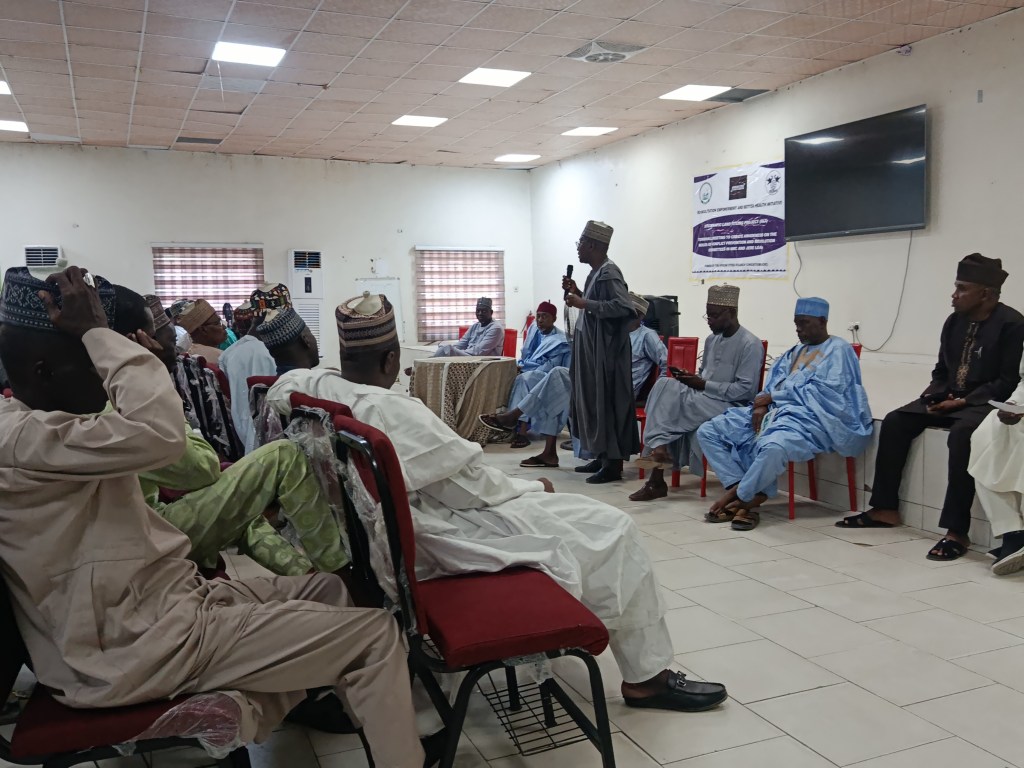
The event hall at Armani Event Center in Maiduguri was on Tuesday filled with the most influential voices in local land matters.
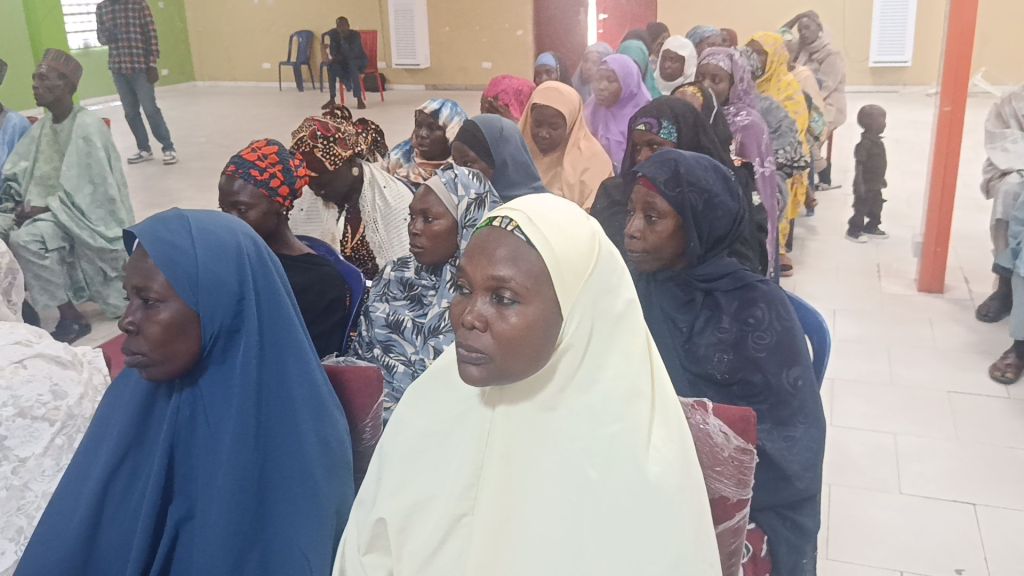
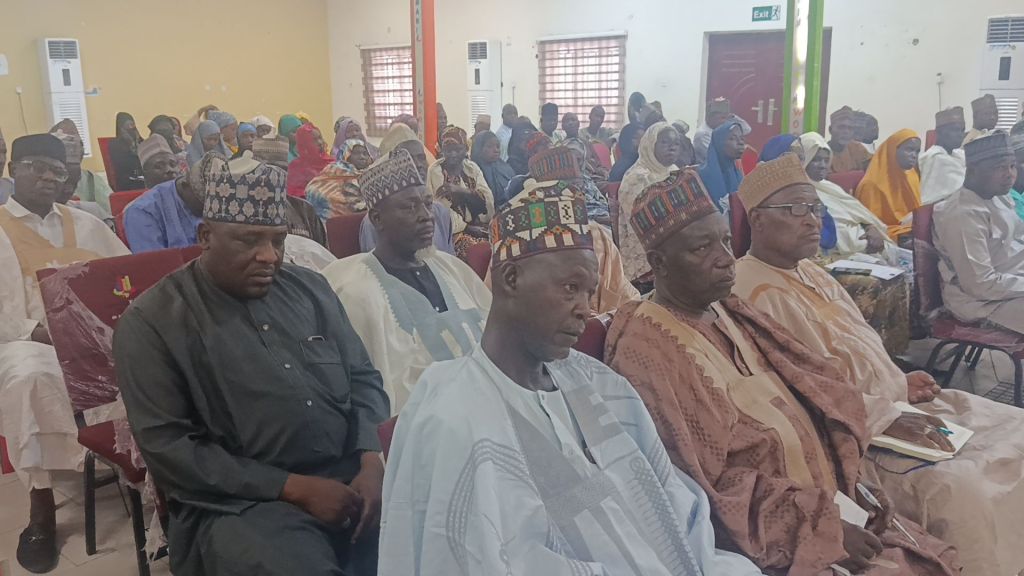
Dr Babakura Bukar, one of the lead researchers for the The African Cities Research Consortium (ACRC), explained that the SLT Project was led by the University of Manchester and funded by UK Aid. He said the ACRC is moving beyond study into direct action in 12 African cities . “In Maiduguri, the flagship project focuses on Systematic Land Titling, partnering with BOGIS and REBHI to turn traditional land claims into legal titles.” He said the initiative aims to reduce property disputes and provide lasting security, especially for women and displaced persons. By viewing cities as living systems, ACRC works with local leaders to transform informal settlements. Ultimately, these titles serve as more than just documents—they are financial assets that empower vulnerable residents to secure their future. The participants were largely Bulamas (ward heads) and Lawans (village heads), the traditional custodians who have managed land through memory and custom for generations. Joining them were several women leaders, including heads of community-based organizations, ensuring that the voices of mothers and female homeowners were also heard.
“This project is about giving our people real power,” said Mrs. Ajikatu Imam, Executive Director of REBHI, during her opening remarks. “When you have a legal title to your land, you aren’t just living in a house—you own a protected asset. We want everyone to embrace this as a way to empower themselves and their families.”
Solving Problems Before They Start
Moving from traditional handshakes to legal paperwork can be complicated. To help navigate this, the meeting was led by Ambassador Ahmed Shehu of the Peace Ambassadors Center for Humanitarian and Empowerment. He explained that the new Conflict Prevention and Resolution Committees will act as mediators, helping neighbors solve land disagreements quickly and fairly.
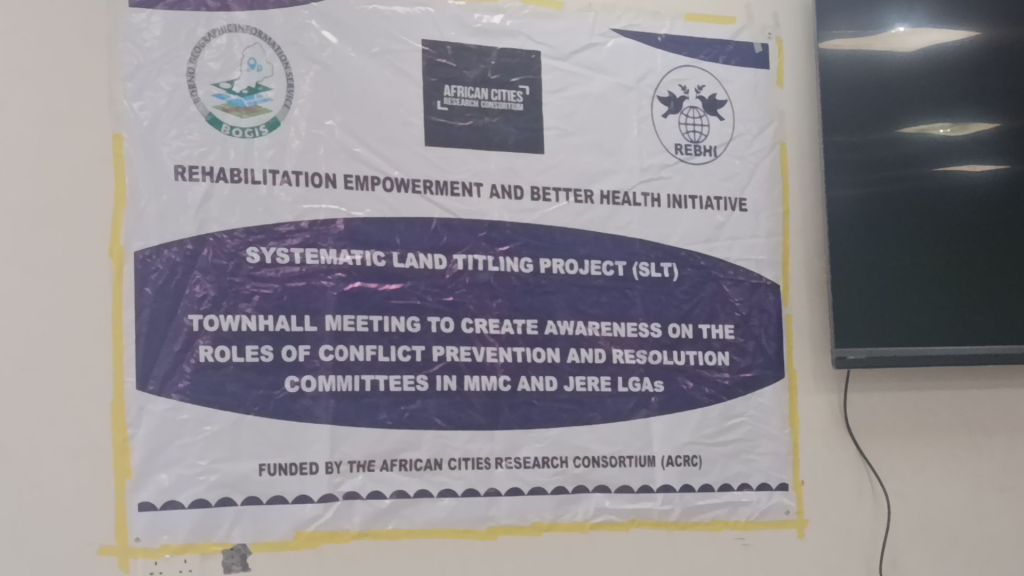
The District Head of Bolori and other civil society leaders attended the session to show their support. Their presence signaled a bridge between the old ways of managing land and a new, more secure legal system.
Why This Matters
“Currently, most land in Borno is held without official government titles,” said Barrister Ibrahim Mustapha of the BOGIS. He said the lack of land titlew makes it difficult for owners to prove they own their property if a dispute arises, and it prevents them from using their land as collateral for business loans.
By working with the African City Research Consortium (ACRC) and the University of Manchester, REBHI is helping to bring this “hidden” wealth into the light.
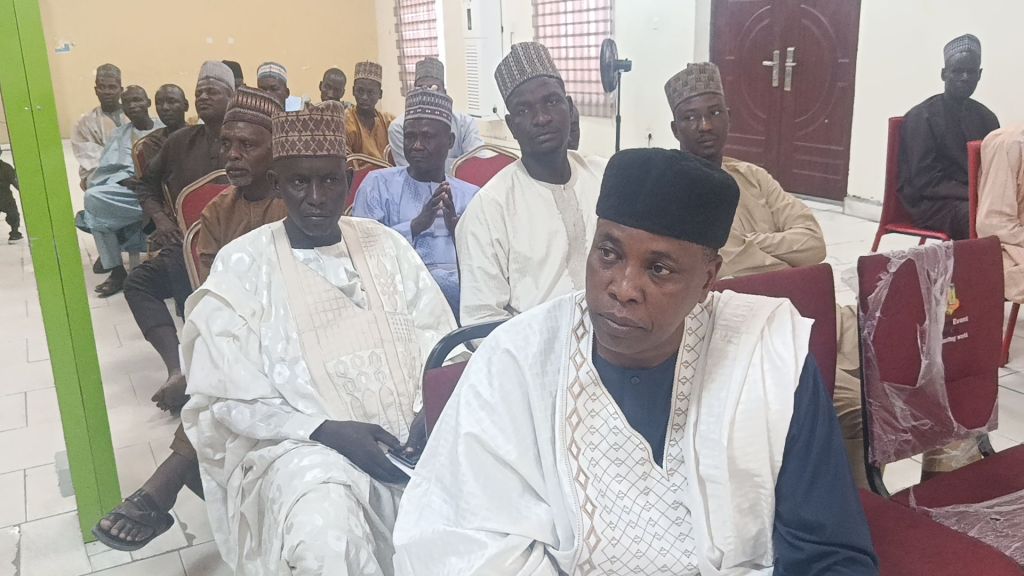
To make the process easier and more affordable for residents in MMC and Jere, the District Head of Bolori has issued a new directive: All Bulamas must provide their services free of charge to any woman or person with a disability who is starting the land titling process. This local support aligns with the free services already offered by BOGIS, ensuring that the most vulnerable members of the community can secure their property rights without financial burden.
As the meeting wrapped up, the Bulamas and Lawans headed back to their wards, tasked with the important job of guiding their people through the process of turning their homes into legally recognized legacies.
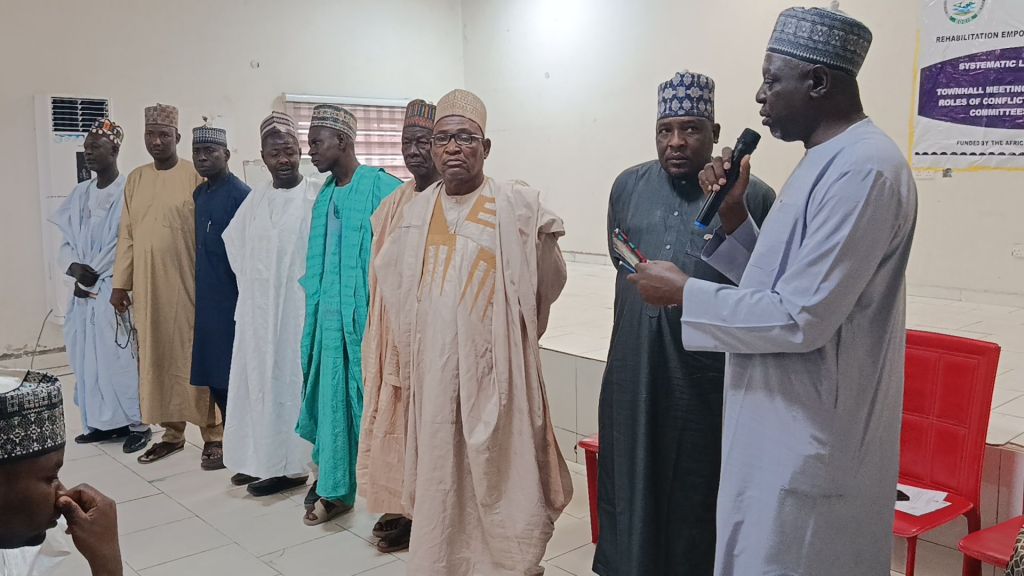
The highlight of the event was the formal introduction of conflict prevention and resolution committee and the explanation of their roles especially the desk officers by Comrade Bulama Abiso, the Executive Director of the Civil Society in Borno State. He emphasized the need to strengthen peace building and social cohesion in their communities and not to hesitate in referring to cases that they feel is beyond their capacity to handle.
In a vote of thanks delivered by the Lead Consultant on SLT, Professor Abubakar Kawu Monguno, said he was happy with the interactive mood of the town hall by the participants. He emphasized that the Systematic Land Titling (SLT) project is a response to the rapid growth of Maiduguri. As more people move into the city and its outskirts, land becomes more valuable and disputes become more common. He said Maiduguri and Yerwa are the two cities of Nigeria participating in the SLT Project in Africa. He said the project provides an opportunity for the people to secure their landed property via titles.
 The Humanitarian Times
Leave a comment