By Abdulkareem Haruna
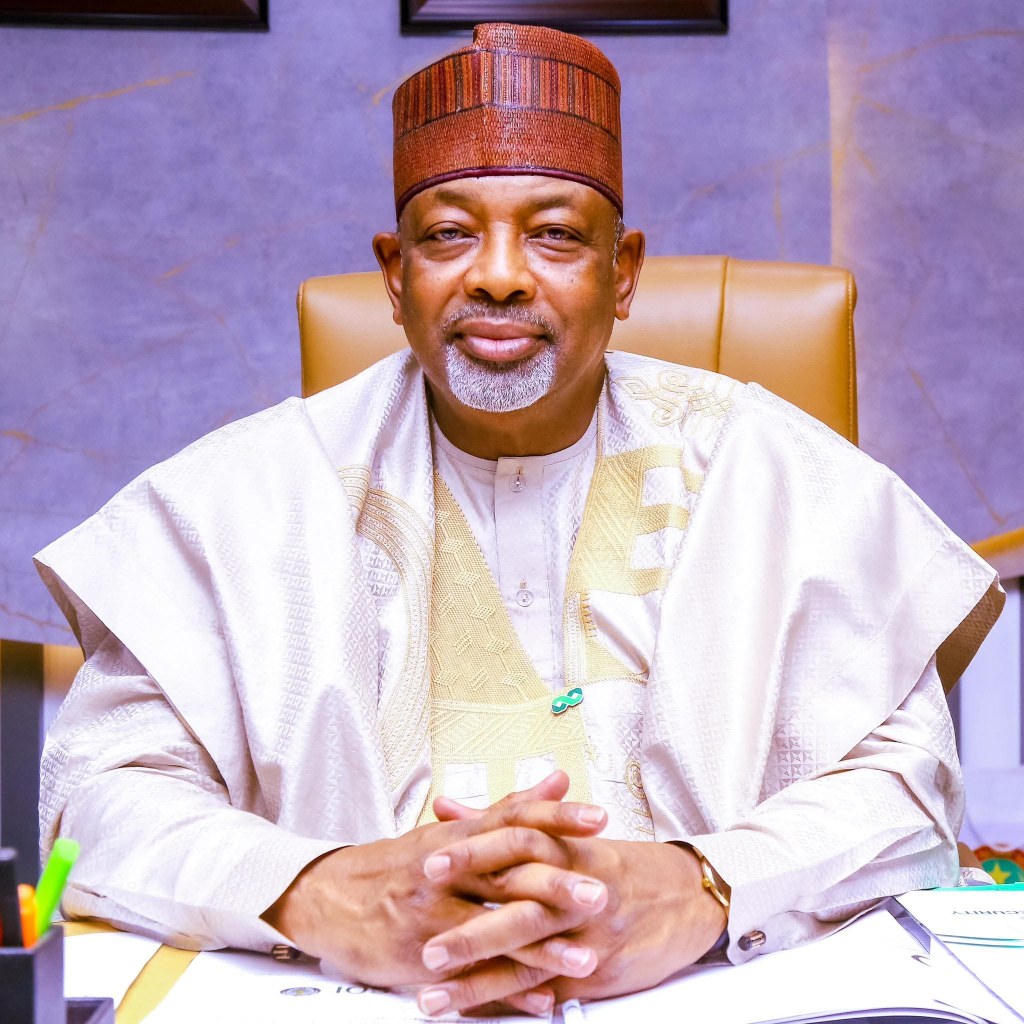
In the loud and often chaotic space of Nigerian politics, Senator Abubakar Kyari the minister of Agriculture and Food Security, stands out as a fascinating anomaly. He is the “quiet man” of the power corridors—a cerebral technocrat wrapped in the garb of a grassroots politician.
While many politicians jump from one party to another as the winds change, Kyari has remained remarkably steady—a man whose career is defined by discipline and an ironclad loyalty to his principles and those fortunate to be his political benefactors.
To understand the current Minister of Agriculture and Food Security, one must first appreciate the rarity of his political DNA. In a landscape where “party-hopping” is often viewed as a survival strategy, Kyari’s record is pristine.
From the days of the APP through its transformation into the ANPP and finally its merger into the APC, he has never wavered. He is the ultimate ‘party man,’ a foundational pillar who understands that true influence is built through patience and ideological fidelity rather than opportunistic leaps.
His journey began in the late 90s, winning a seat in the House of Representatives in 1998 and successfully serving from 1999 to 2003. Even then, the hallmarks were visible: a calm, calculated mien and a focus on the mechanics of governance over the theatrics of the podium.
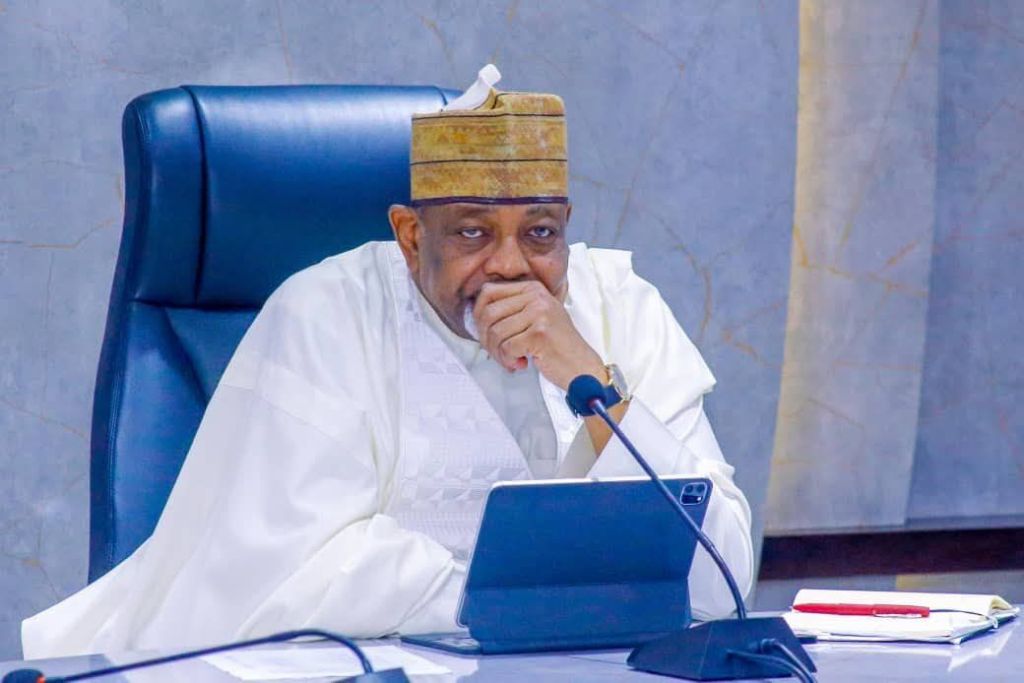
Perhaps his most impressive achievement is a public record completely free of scandal, spanning nearly thirty years. From 2003 to 2011, Kyari managed some of Borno State’s most demanding sectors—including Education, Water Resources,
Information-Home-Affairs-and-Culture, as well and Works. While these ministries are often magnets for controversy, Kyari ran them with a level of professional precision that simply left no room for rumors or accusations of misconduct.
This reputation for integrity made him the natural choice for then-Governor Kashim Shettima (now Vice President) to serve as Chief of Staff in 2011. In that role, he was the silent engine of the “Borno Renaissance,” managing the intricate gears of a state government under the duress of insurgency. He wasn’t just an aide; he was a stabilizer.
When he moved to the Red Chamber as the Senator for Borno North, Kyari brought an uncommon taste of modesty to the 8th and 9th Assemblies. Twice elected, he earned the respect of his peers not through fiery floor speeches, but through rigorous committee work and an analytical approach to legislation.
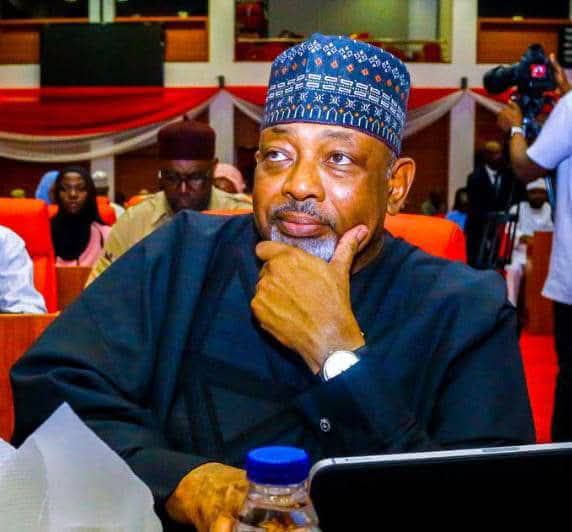
During his time in the Senate from 2015 to 2022, Kyari avoided the typical political drama, focusing instead on high-stakes oversight and national security. As the Chairman of the Senate Committee on Defence, he was a key figure in managing the legislative side of Nigeria’s fight against insurgency. He also took on the tough job of chairing the committee that investigated how trillions of naira in power sector funding had been spent since 1999.
Beyond oversight, Kyari pushed for laws that aimed to fix deep-seated issues in Nigerian society. He sponsored the Electoral Offences Commission Bill, designed to finally hold people accountable for election violence and fraud. He also moved to modernize the nation’s security and education sectors, sponsoring bills to establish the Defence Research and Development Bureau and the Federal College of Education, Monguno, ensuring his home district and the country at large had better access to specialized training and learning.
Yet, when the APC faced its most turbulent internal tremors, the party looked at Kyari. Reserving his seat in the Senate—a move few would contemplate—he assumed the role of Deputy National Chairman (North). His brief stint as Acting National Chairman during a critical transition period was best remembered for his mien as a frank disciplinarian.
He steadied the ship, avoided the ego-traps that have ensnared his predecessors, and ensured a seamless handover, proving once again that for Kyari, the institution always supersedes the individual.
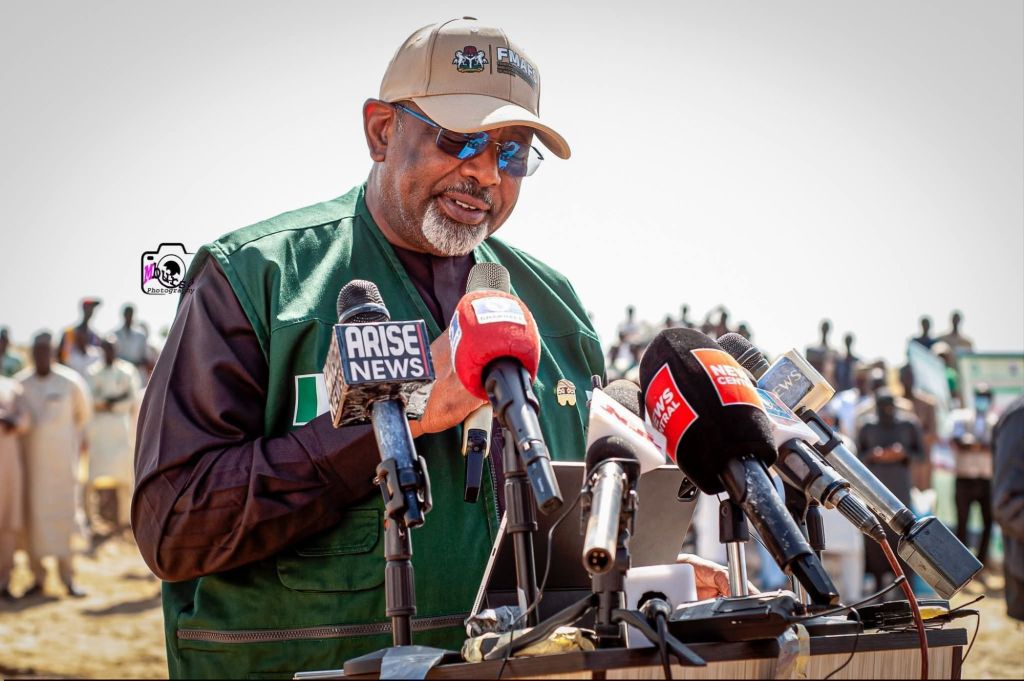
Today, as the Minister of Agriculture and Food Security under President Bola Ahmed Tinubu, Kyari is grappling with one of the most significant challenges of the “Renewed Hope” agenda: national food sovereignty. True to form, his approach has been more about data-driven mechanization and fertilizer reform than populist optics. He moves with the same spartan discipline that has defined his life – a man who prefers the quiet results of a dry-season farming initiative over the loud fanfare of a political rally.
As the 2027 electoral cycle begins to cast its long shadow, the political conversation both in Abuja and Borno State is shifting toward continuity as well as the inevitable question of succession.
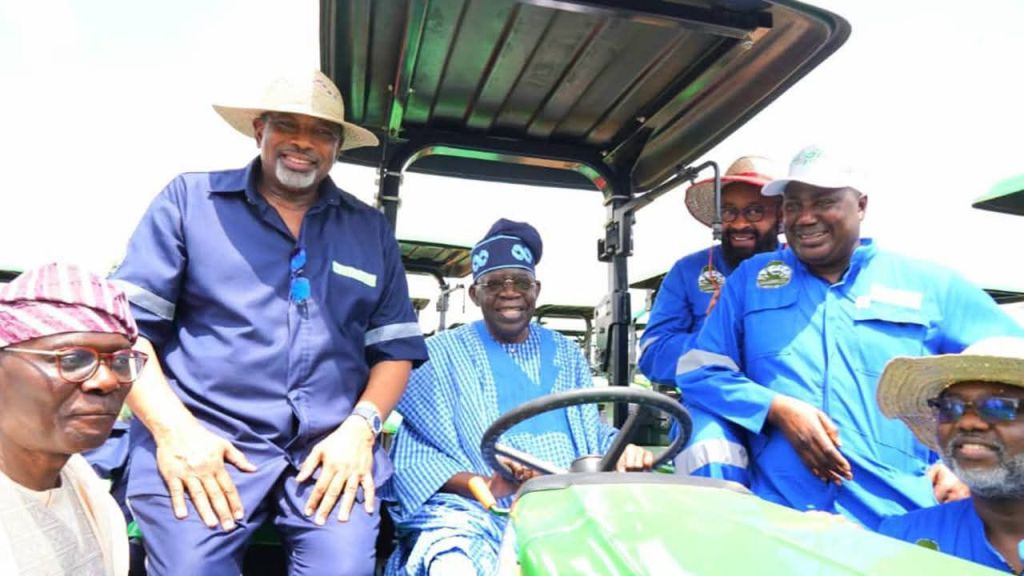
While others jostle for position, Kyari stays the course. He doesn’t need to shout to be noticed; his reputation for reliability does the work for him. In a region moving from recovery to growth, the appeal of a veteran leader who has earned the trust of the presidency is both obvious and powerful.
Success, they say, has a way of seeking out the quiet professionals. As the gates to the next election season begin to open, Senator Kyari remains at his post in the federal cabinet. He doesn’t need to join the clamor; his long history of loyalty and effectiveness acts as a silent, powerful preview of what is to come.
 The Humanitarian Times
Leave a comment