By Abdulkareem Haruna
MAIDUGURI, Nigeria — A coalition of civil society groups and youth advocates in Nigeria’s northeastern Borno State warned this week that escalating environmental shocks—ranging from erratic rainfall to unmanaged urban waste—are outpacing current government interventions, threatening to destabilize the region’s fragile agrarian economy.
The warning was issued throughthe Centre for Community Awareness and Youth Empowerment Initiative (CAYEI) following a high-level dialogue in Maiduguri. The organization cautioned that a convergence of climate change, biodiversity loss, and land degradation is deepening the vulnerability of rural communities, particularly farmers already struggling to recover from years of regional instability.
Usman Hassan, CAYEI’s project officer, told reporters that the environmental crisis has moved beyond theoretical debate to an existential threat for local households. He cited the destruction of farmlands by recent flooding, the depletion of critical water sources, and the displacement of families caused by recurring climate shocks.
“Environmental degradation is advancing faster than current interventions,” Hassan said at the press conference, which concluded a session on corporate climate responsibility. He noted that farming households are increasingly exposed to shrinking harvests due to prolonged dry spells and unpredictable weather patterns.
Urban Infrastructure and Waste Crisis
While rural areas face agricultural decline, the state capital, Maiduguri, is grappling with a sanitation crisis compounded by poor urban planning.
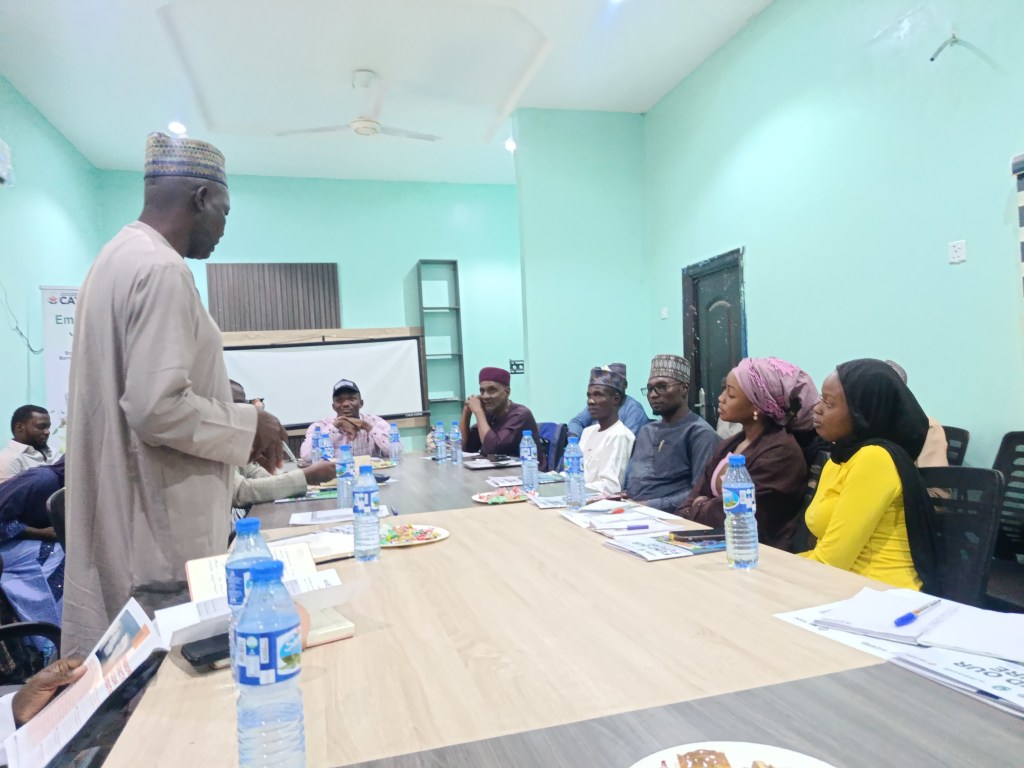
During the dialogue session – which was monitored by The Humanitarian Times – officials from the Borno State Environmental Protection Agency (BOSEPA) conceded that structural barriers are hampering waste management efforts. Agency representatives noted that the lack of accessible road networks in several of Maiduguri’s rapidly expanding suburbs prevents waste evacuation trucks from reaching accumulated dump sites.
This infrastructural deficit has left densely populated neighborhoods struggling with mounting refuse, a factor participants identified as a key driver of environmental health risks in the city.
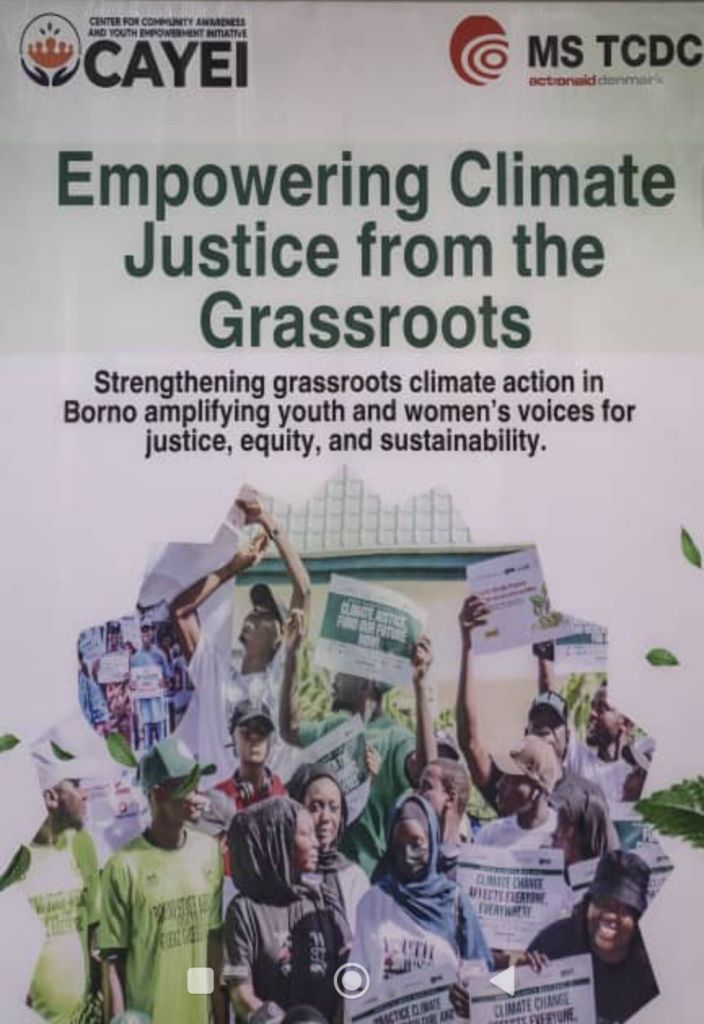
The forum, supported by MS TCDC ActionAid Denmark and the Borno State Government, operated under the theme “Strengthening Grassroots Climate Action in Borno.” It brought together a diverse group of stakeholders, including government officials, international NGOs, and groups representing persons with disabilities.
Hassan argued that the complexity of these issues requires a shift away from piecemeal solutions. He called for a coordinated transition away from fossil fuels and urged corporate actors operating in the region to move beyond tokenism.
“Corporate actors must act responsibly and transparently by supporting climate-resilient initiatives,” Hassan said, emphasizing the need for investments that strengthen community resilience rather than just extraction.
To bridge the gap between policy and practice, participants at the summit proposed the establishment of a Youth Climate Innovation Fund. The initiative aims to finance green jobs and scale up youth-led environmental solutions across the state.
While acknowledging that some communities have begun wetland restoration and “waste-to-wealth” reforms, advocates stressed that these grassroots efforts remain limited by inadequate financial support. They urged both the private sector and the government to prioritize investments in clean energy and climate-smart agriculture to avert a deepening crisis.
 The Humanitarian Times
Leave a comment