By Abdulkareem Haruna
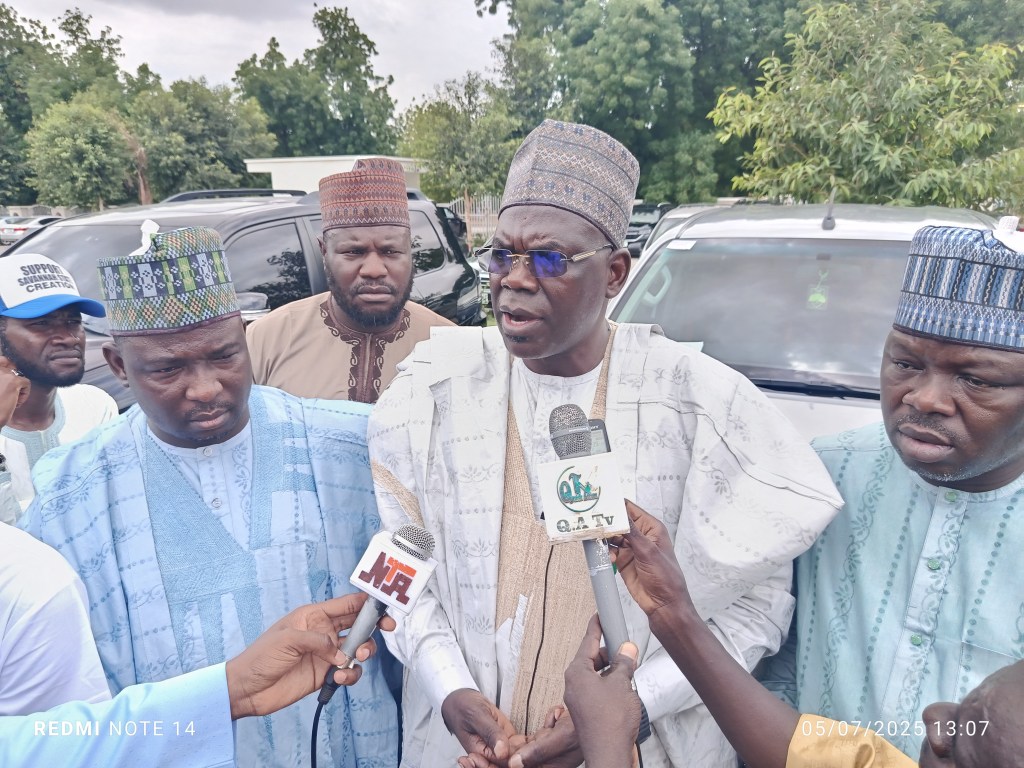
MAIDUGURI – The Deputy Speaker of the Borno State House of Assembly, Right Honourable Engineer Abdullahi Askira, has given his full support for the proposed Savannah State, an aspiration predominantly championed by the people of Southern Borno, his home region.
Though the effort to carve a new state from Borno has undeniably received a major boost from influential lawmakers, the seasoned legislator cautioned that there’s still a tough and lengthy journey to complete.
Speaking to journalists on Saturday, in Maiduguri, after a two-day zonal public hearing on the review of Nigeria’s 1999 Constitution, Engineer Askira was quick to temper expectations, emphasizing that a successful presentation at such a forum is merely the beginning, not the conclusion, of the complex process.
“The Constitution of the Federal Republic of Nigeria allows any individual or group to agitate for constitutional changes, including the creation of new states, Engineer Askira stated.
The cognate lawmaker emphasized that while the call for Savannah State is particularly passionate in Southern Borno, the right to seek state creation is universal across Nigeria.
The Deputy Speaker acknowledged that the movement for Savannah State is “long overdue” and has already experienced delays. Despite these hurdles, he confirmed a significant breakthrough because the “Borno State Governor, His Excellency Professor Babagana Zulum, has given his blessing for creation of Savannah State” , indicating high-level political will within the state.
Yet, Engineer Askira stressed that the critical phase of the work now begins.
“The real work, however, goes beyond endorsements at public hearings,” he insisted. He outlined the demanding constitutional requirements: any amendment, including the creation of a new state, necessitates the absolute endorsement of two-thirds of every State Assembly across the country. This translates to securing the support of at least 24 out of Nigeria’s 36 State Assemblies.
“The crucial next step is to mobilize the State Assemblies across Nigeria,” he added, clarifying that while agitation and initial legislative steps happen at the National Assembly, the ultimate hurdle lies with the states.
Engineer Askira issued a direct call to action to the organizations spearheading the Savannah State campaign. “The journey has just begun, and we urge the organization advocating for Savannah State to intensify their efforts,” he said.
He warned that this next phase demands “deeper and more strategic lobbying” and will be intensely competitive. He highlighted that the North-East zone alone is witnessing “three or more similar agitations for new states,” setting the stage for what he termed “a significant battle ahead.”
The fight for Savannah State has lasted over four decades, but current supporters believe this latest effort is the most promising yet. However, only military regimes, not democratic civilian governments, have ever changed the constitution to create new states or local governments.
 The Humanitarian Times
Leave a comment