
By Abdulkareem Haruna
Borno State, Nigeria – In 2024, as vulnerable communities in Maiduguri faced the combined impact of a protracted conflict and increasing climate-related disasters, the Centre for Advocacy, Transparency, and Accountability Initiative (CATAI), a local non-governmental organization, provided a crucial lifeline by saving lives and fostering positive socio-economic change.
According to their recently released 2024 Annual Report, CATAI has been actively engaged in supporting livelihoods in conflict-affected areas and providing critical aid to those devastated by the unprecedented floods that swept through parts of Borno State last September.
Mr. Abubakar Sadiq Muazu, the Executive Director of CATAI, underscored the organization’s commitment to a holistic approach in addressing the multifaceted crises. “Our work in Monguno and Dikwa Local Government Areas demonstrates our firm belief that supporting the economic well-being of caregivers is intrinsically linked to ensuring access to safe and quality education for their children,” Muazu stated emphatically, referencing their livelihood support initiatives.
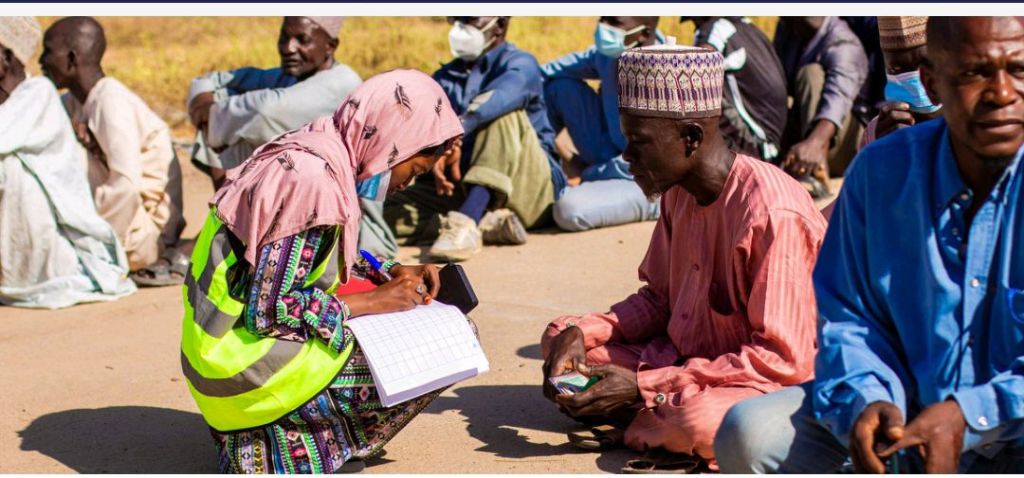
“We understand that poverty can be a formidable barrier to education, and therefore, we have empowered 100 caregivers with comprehensive life skills training encompassing crucial areas such as business management, financial literacy, and leadership.”
The Report elaborated on the tangible outcomes of this training. “These skills are not merely theoretical; they are practical tools that enable these individuals to establish and maintain their own income-generating activities.”.
“By providing them with tailored startup kits, we are directly facilitating the launch of small-scale businesses, fostering financial independence, and ultimately creating a more stable economic environment for their households, allowing them to prioritize their children’s education.”
Furthermore, CATAI has focused on building sustainable community-based financial structures. “Recognizing the importance of access to capital and mutual support, we facilitated the creation and registration of four Village Savings and Loan Association (VSLA) groups,” Muazu highlighted.
“These VSLAs are more than just savings mechanisms; they are platforms for collective empowerment, where members can save, access loans, make crucial financial decisions together, and build a safety net to invest in their businesses and their children’s future.”
The report also details CATAI’s swift and comprehensive response to the devastating floods that submerged Maiduguri and Jere LGAs in September 2024, displacing over 7,000 households. Mr. Muazu emphasized the urgency of their intervention.
The 2024 Report also stated that “The scale of the flooding, triggered by the overflow of the Alau Dam, was catastrophic, leaving thousands without homes and basic necessities.”
“In collaboration with the International Organization for Migration (IOM) through the Rapid Response Fund (RRF), we moved quickly to provide Multi-Purpose Cash Assistance to these displaced families, the 39-paged report read.
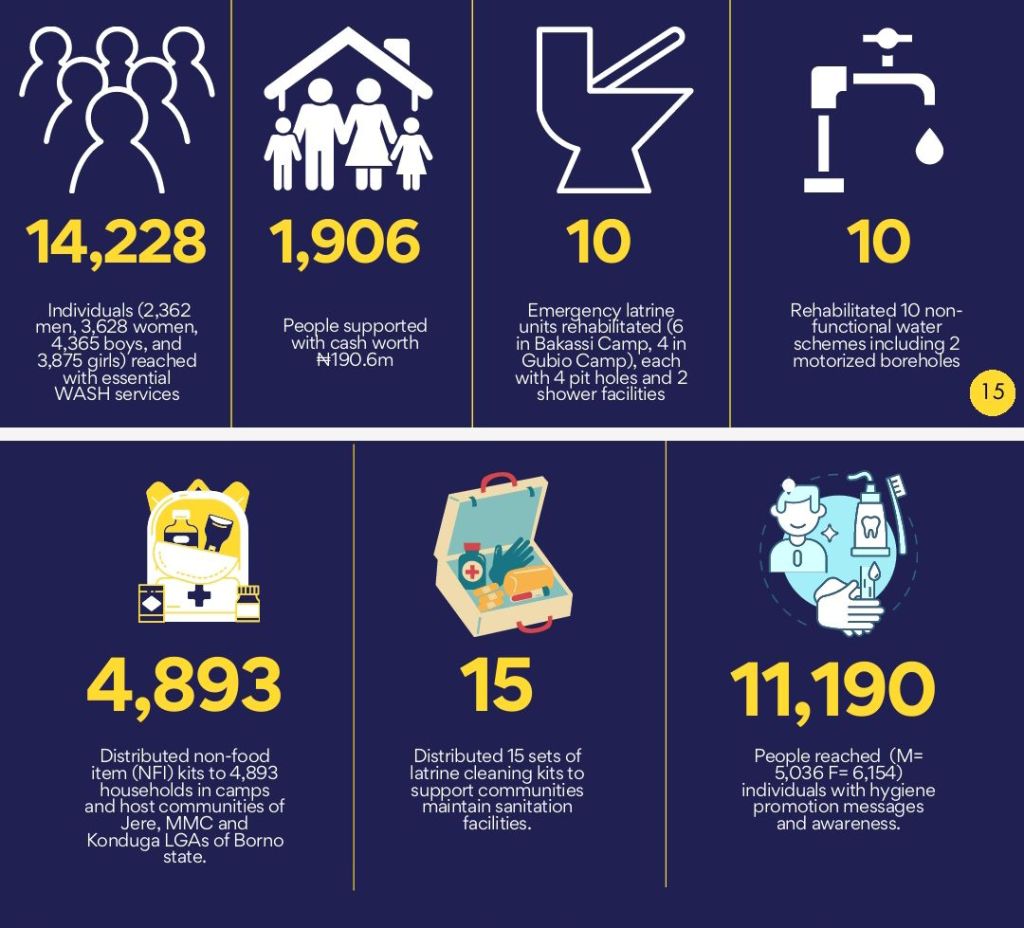
“Our approach with the MPCA was designed to uphold the dignity of the affected population,” the accountability document stressed. “By providing cash assistance, we empowered families to purchase essential items – food, clothing, household supplies – according to their own specific needs and priorities. This is a far more effective and respectful way to provide aid than simply distributing pre-determined packages.”
Beyond immediate relief, CATAI recognized the critical need to prevent the spread of waterborne diseases in the overcrowded displacement sites.
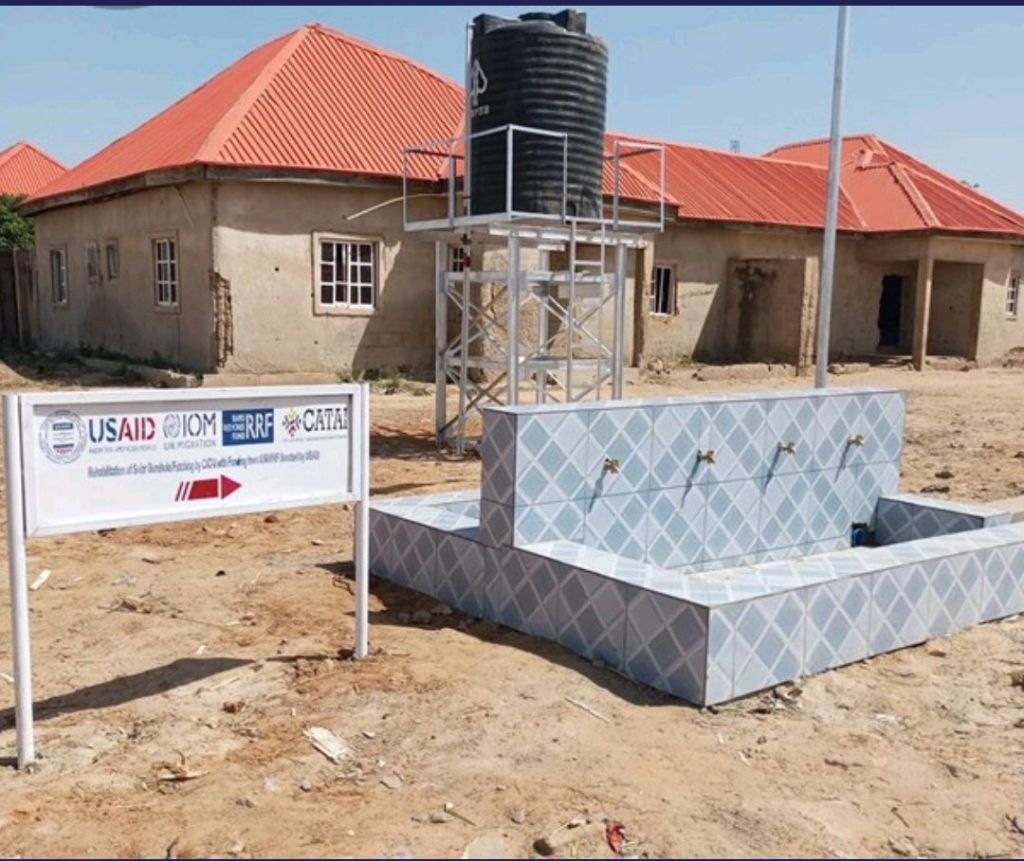
“The lack of clean water and sanitation in such conditions poses a significant health risk, therefore, we implemented vital Water, Sanitation, and Hygiene (WASH) interventions, including the provision of clean drinking water, the distribution of hygiene kits, and the construction and rehabilitation of sanitation facilities to promote safe hygiene practices among the displaced.”
In a collaborative effort with OXFAM, CATAI further extended its reach through the Acute Crisis Joint Response (ACJR) initiative, supported by Dutch Relief Assistance (DRA).

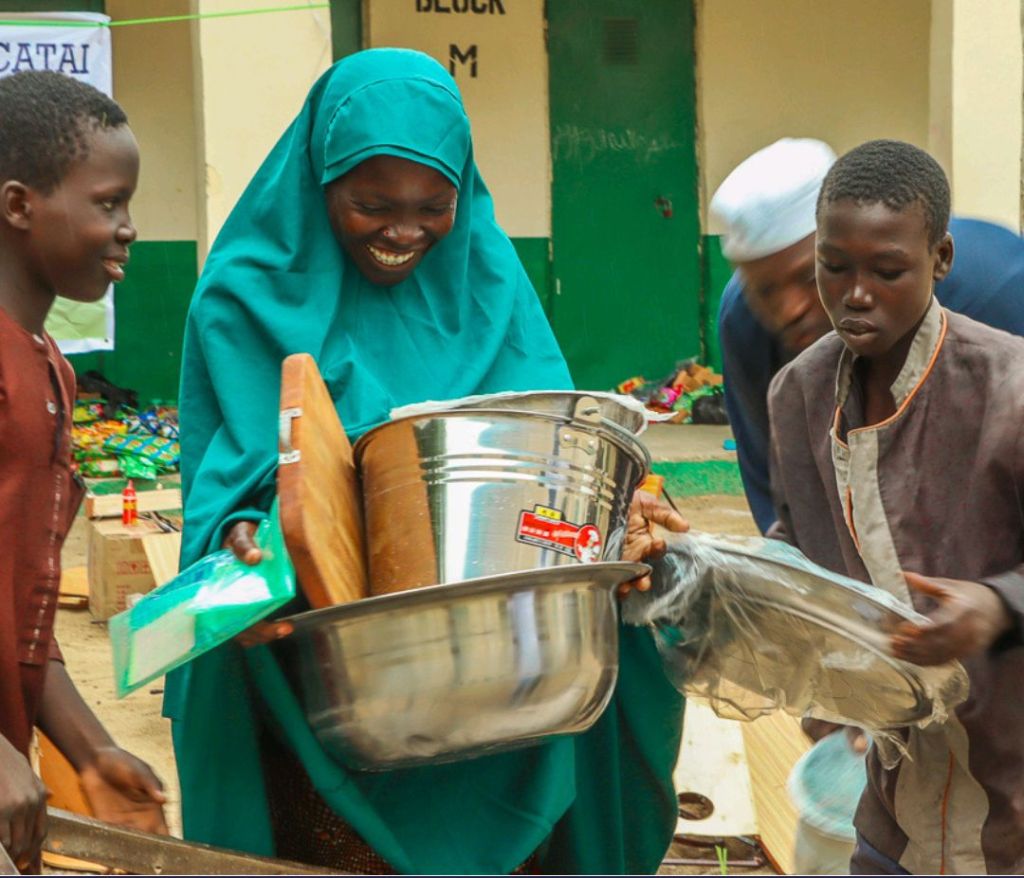
“Our partnership with OXFAM allowed us to provide emergency Non-Food Item (NFI) kits to 3,000 flood-affected individuals in Dalori and Old Maiduguri,” CATAI explained. “These kits, containing blankets, sleeping mats, cooking utensils, and hygiene materials, provided immediate comfort and helped families begin to rebuild their lives.”
The Executive Director also highlighted CATAI’s commitment to advocating for the rights of the affected population. “We believe that simply providing aid is not enough; we must also ensure that the most vulnerable individuals are identified and receive the support they are entitled to,” he asserted.
Through a rigorous verification process, CATAI successfully supported “1,486 participants with Multi-Purpose Cash Assistance of N100,000 per household, providing a crucial financial boost for their recovery.”
CATAI’s efforts extended to addressing the long-term WASH needs of the flood-affected communities. Collaborating with the Norwegian Refugee Council (NRC) and key government agencies, the organization implemented a comprehensive WASH intervention directly benefiting 20,000 individuals.
“This multi-faceted approach was crucial in mitigating the risk of waterborne diseases and improving overall hygiene conditions,” Muazu detailed.
The Report further elaborated on the specific interventions. “We trained 30 hygiene promoters, ensuring they reached over 6,000 households with vital information on proper hygiene practices, cholera prevention, and flood preparedness. We also distributed essential hygiene and menstrual hygiene kits to over 2,050 vulnerable individuals and households. Furthermore, we trained 70 WASHCOM members and artisans on borehole operation and maintenance, rehabilitated 60 household latrines, decommissioned damaged emergency latrines, and provided essential sanitation consumables. We even dislodged 200 sanitation facilities, directly benefiting 4,000 individuals.”
The Annual Report concluded its commitment on WASH by emphasizing the importance of collaboration and local leadership; stressing that through a consortium-based approach, CATAI is committed to effective coordination, knowledge sharing, and strengthening local leadership to ensure the long-term sustainability of its WASH interventions.
“Our work in 2024, as detailed in this report, underscores our unwavering dedication to empowering vulnerable communities in Borno State, whether they are facing the devastating consequences of conflict or the increasing threats posed by climate change,” said the Executive Director.
The 2024 Annual Report from CATAI, a Maiduguri-based NGO, offers a unique level of accountability compared to others in northeast Nigeria, illustrating an organization deeply embedded in the local context and its effective, strategic response to the complex challenges in Borno State.
 The Humanitarian Times
Leave a comment