By Abdulkareem Haruna
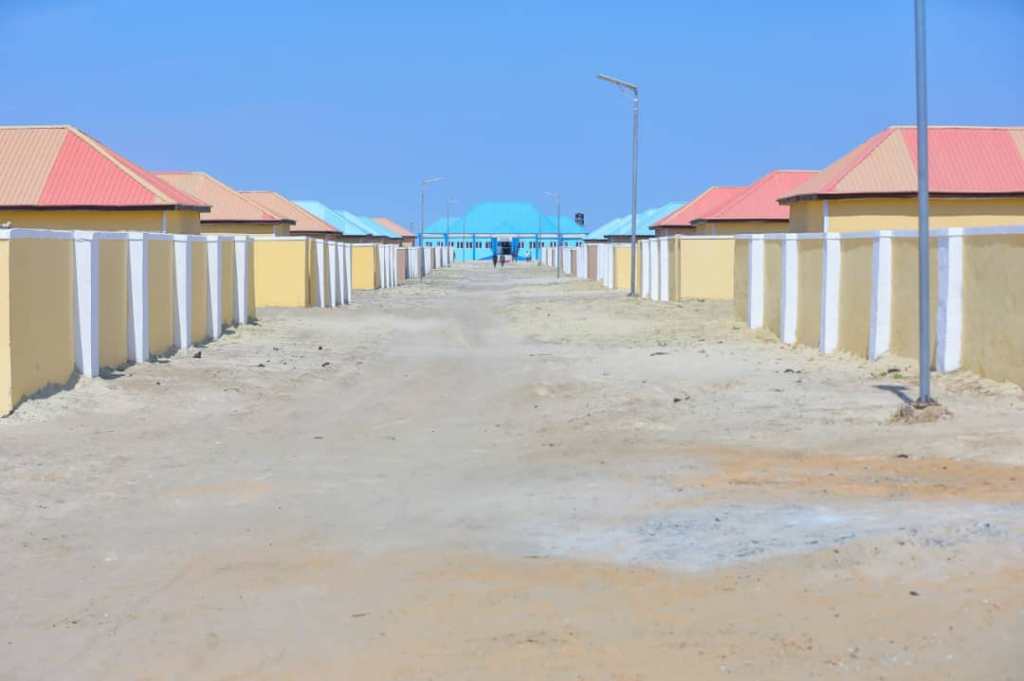
In recent years, the township of Monguno has transformed from a hotbed of Boko Haram’s brutal attacks to a beacon of hope for many internally displaced persons (IDPs). Once marked by violence and despair, the area metamorphosed to one of the largest humanitarian hubs in northeastern Nigeria, providing shelter and support to thousands of those affected by the insurgency.
The devastating conflict led to the destruction of homes, livelihoods, and community infrastructure, forcing many residents into overcrowded IDP camps. With the Borno State government’s decision to close official IDP camps and encourage the return of displaced individuals to their ancestral homes, the urgent need for permanent housing became clear. This shift aimed to break the cycle of camp life and restore dignity to those affected.
Under the leadership of Governor Babagana Umara Zulum, the Borno State government sought international assistance to address this pressing issue. The call was answered by the German government, which partnered with the United Nations Development Programme (UNDP) to launch a comprehensive housing initiative. In 2020, the Borno State government signed a Letter of Agreement with Germany to construct 500 housing units. A subsequent agreement in August 2023 aimed to complete these units and provide an additional 900 semi-permanent shelters, along with solar street lights to enhance safety and accessibility.
In the typical style of the Zulum administration, the German government’s offer to construct 500 semi-detached two-bedroom houses was complemented by the state government also building an additional 500 houses, bringing the total to 1,000 permanent houses and 900 semi-permant shelters!
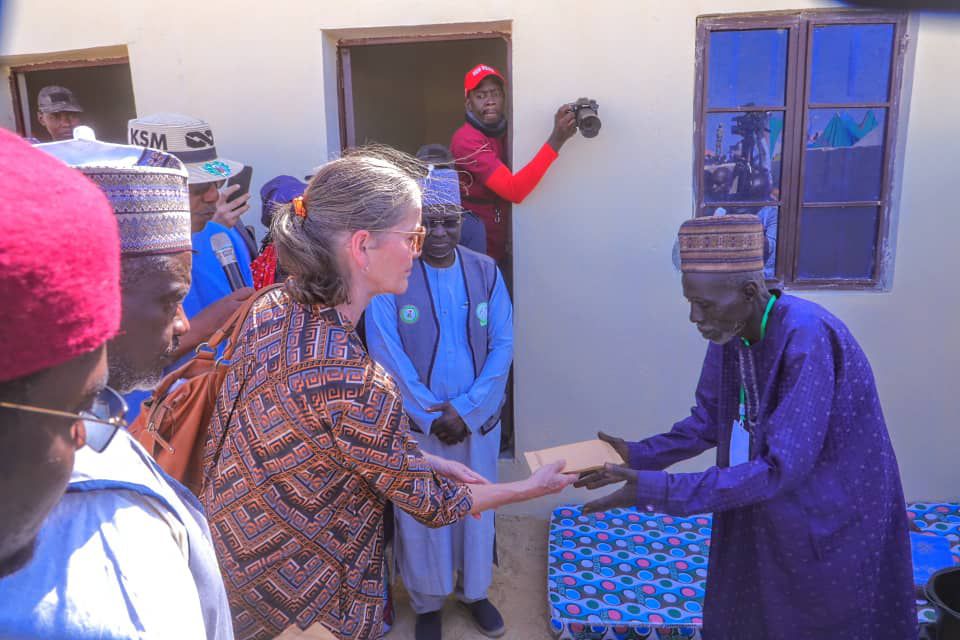
Four years after the initial agreement, IDPs like Bukar Zannah and Fatima Aisami are finally finding solace in their new homes.
“Finally, I am going to sleep with a real roof over my head and that of my children,” expressed Fatima, a widowed mother of seven, who endured years of hardship in the camps.
Bukar, who had faced the challenges of living in an IDP camp for nearly a decade, expressed his relief: “I want to thank Governor Zulum for restoring my hope of living in a decent home after losing everything to Boko Haram.”
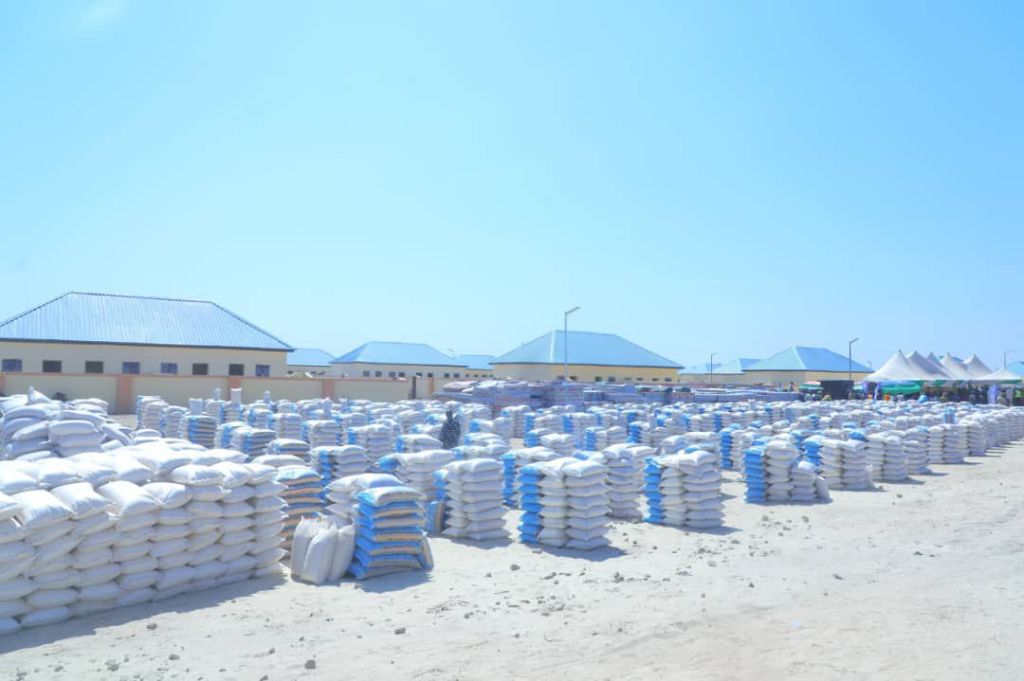
The recent completion of the housing project in Monguno has resulted in benefitting approximately 1,874 IDP families from 14 communities – which amount to 11,244 persons getting decent roofs over their heads. Each family also received food and non-food items, as well as cash assistance to help them rebuild their lives.
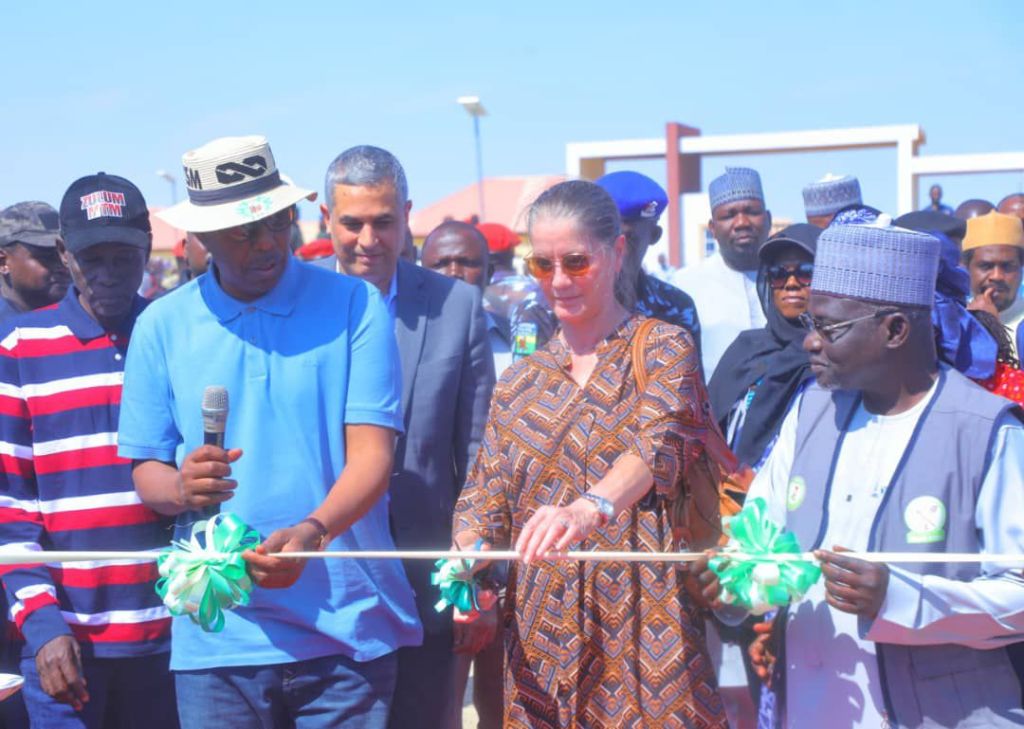
The commissioning ceremony for the new homes was graced by dignitaries, including the German Ambassador to Nigeria, Annet Gunther, and UNDP’s country representative, Elsie Attafuah. Both officials praised the collaboration between Borno State and international partners, highlighting the importance of this initiative in promoting stability and recovery in the Lake Chad region.
“This housing project exemplifies a successful partnership aimed at helping those affected by the insurgency reclaim their lives,” Ambassador Gunther stated.
Attafuah emphasized that the initiative aligns with UNDP’s regional stabilization efforts, which seek to restore peace and security in the area.
Governor Zulum took the opportunity to express his gratitude to the German government and other international donors, stating,
“These accommodations will play a crucial role in the voluntary decongestion and eventual closure of some IDP camps in Monguno.” He noted that the successful collaboration had resulted in not only housing but essential amenities such as a health center and potable water.
As Monguno continues to recover from the scars of conflict, the hope for a brighter future shines through for the thousands of IDPs who will finally have a place to call home. The efforts of both local and international partners demonstrate the resilience of the human spirit and the power of collaboration in rebuilding lives.
 The Humanitarian Times
Leave a comment