By Abdulkareem Haruna
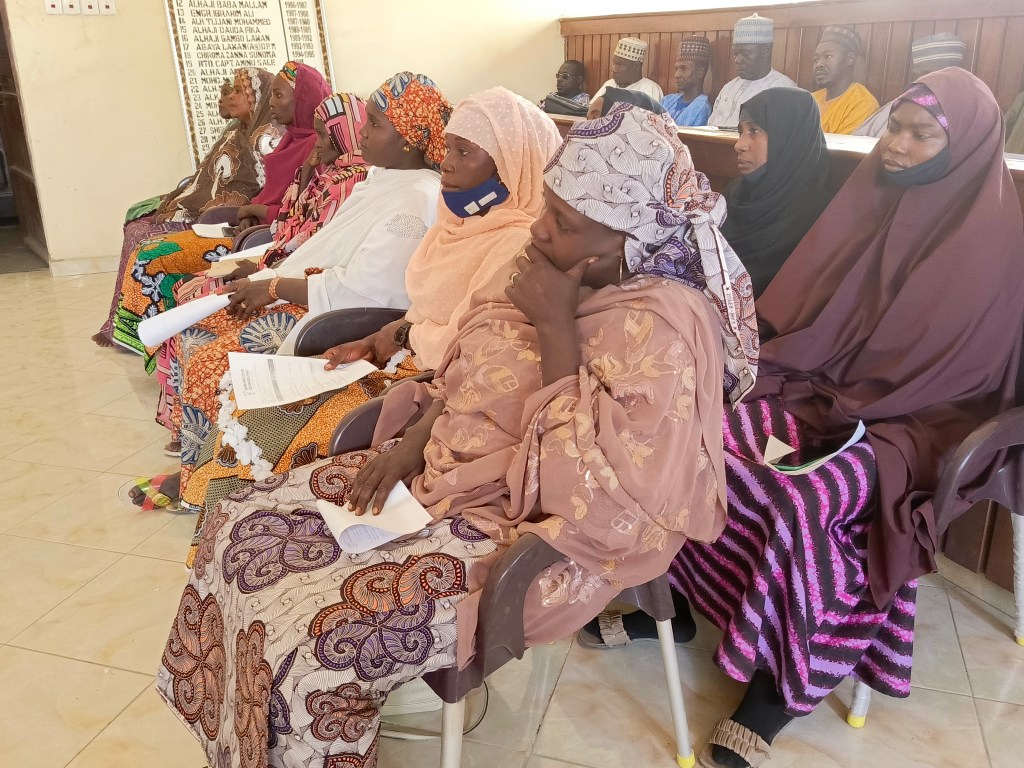
The Allamin Foundation for Peace and Development, a community-oriented nonprofit, conducted a comprehensive training workshop on Transitional Justice for local advocates in Borno State, Nigeria on Tuesday.
The workshop, held in Maiduguri, drew participants from Jere, Konduga, Mafa, and the Maiduguri Metropolitan Council (MMC) local government areas (LGAs).
The day-long intensive program aimed to equip community advocates with the skills and strategies needed to effectively carry out advocacy campaigns in their respective regions. The training had a particular emphasis on the concepts and applications of transitional justice.
The advocates were briefed on the importance of advocacy in society and the skills necessary for effective community-level advocacy. They were also given an overview of the roles and responsibilities of community advocates, highlighting the significance of local advocacy initiatives.
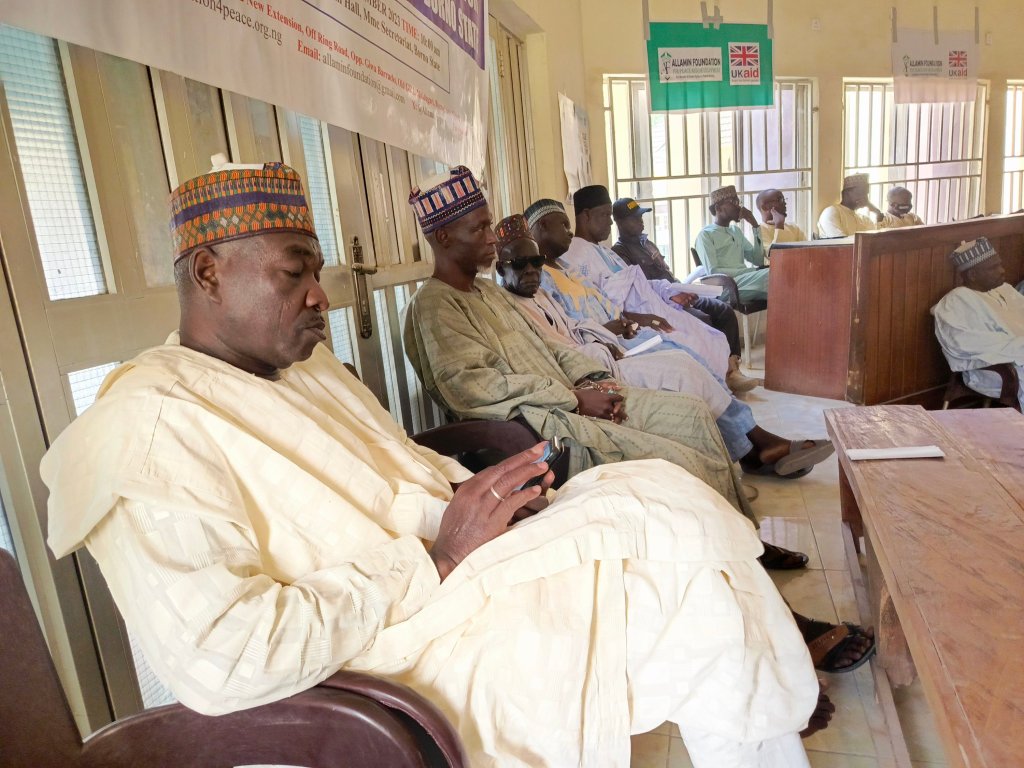
The workshop offered training on incident reporting, emphasizing its importance, mechanisms, and tools. The participants were briefed on the types of incidents to report, providing them with a practical understanding of how to contribute to community safety and wellbeing.
Group action plans for community advocacy and incident reporting were developed and presented by each group, offering participants a hands-on experience in strategizing and mobilizing their communities.
The training was coordinated and led by Dr. Lawan Balami, a Monitoring and Evaluation Consultant with Allamin Foundation, and Comrade Zanna Shettima, former State Chairman of NLC and NANHWUN in Borno State.
The coordinators underscored the critical role of transitional justice, reconciliation, and reintegration in conflict-ridden environments, noting their profound impacts on citizens and society. They emphasized the need for community acceptance and implementation of transitional justice principles, underscoring the importance of advocacy in achieving these goals.
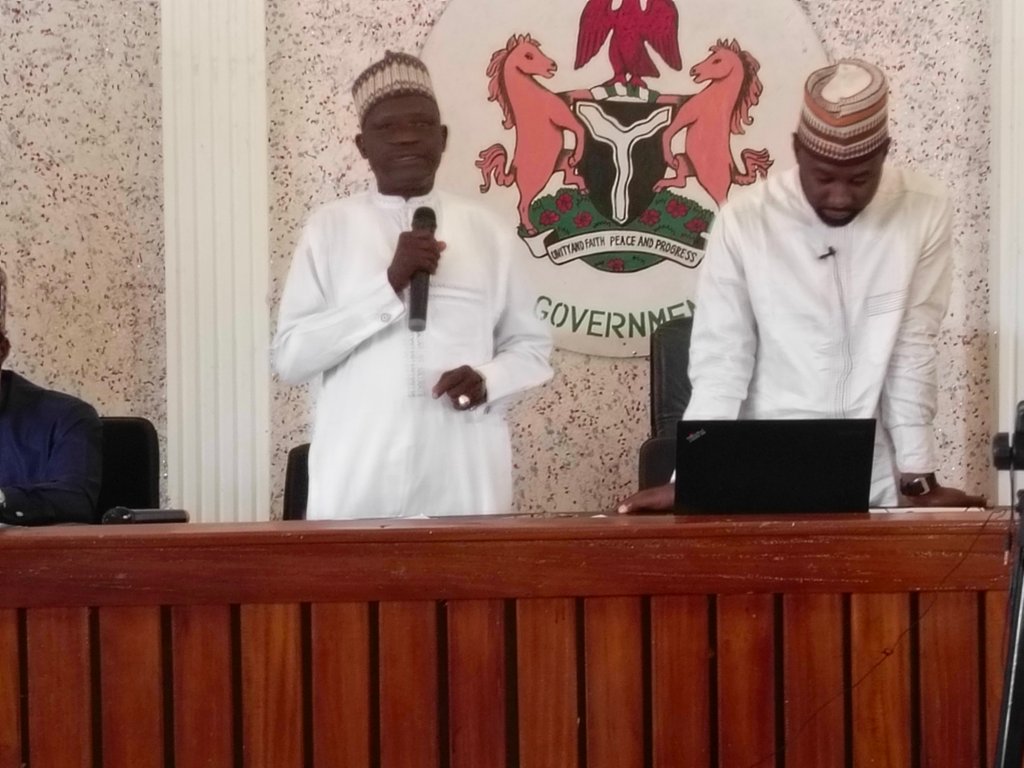
Dr Balami who facilitated the workshop led the participants through a series of modules designed to provide them with a comprehensive understanding of the key aspects of the training.
The first session offered an overview of the training objectives and included a recap of transitional justice, covering essential concepts and providing an opportunity for questions and answers. In the second session, participants were introduced to advocacy at the community level, where they learned about advocacy skills, its definition, and importance, as well as the specific skills needed for community-level advocacy, followed by another Q&A session.
The third session focused on the roles and responsibilities of community advocates, providing an overview of their role and stressing the importance of local advocacy, and was followed by another Q&A session before a tea break.
The final session delved into incidence reporting and the types of incidents to report, highlighting the importance of incidence reporting, explaining reporting mechanisms and tools, and outlining the different types of incidents that should be reported.
 The Humanitarian Times
Leave a comment